

Table of Contents
- Identify What Baby Gear You Actually Need
- Best Second-Hand Baby Gear Sites and Where to Find Safe Pre-Owned Items
- How to Save Money on Baby Gear Through Registries and Completion Discounts
- How to Get Free Baby Samples in the UK
- Time Your Purchases Around Sales and Markdowns
- Sell and Trade What Your Baby Has Outgrown
- The Hidden Costs of Cheap Baby Gear (and How to Save Money on Baby Gear the Smart Way)
- Conclusion
Last Updated: August 13, 2026
Preparing for a new baby is exciting and expensive. The average family spends thousands of pounds on baby gear before their child arrives, much of it used for only weeks. At The Nook and Nurture Company, we hear from parents daily who want to save money on baby gear without compromising safety or quality. This guide shows you which items deserve your budget, where to find safe pre-owned gear, and how to use registries, sales, and digital tools to stretch every pound further.
The biggest savings don't come from finding cheaper versions of everything, they come from buying fewer things in the first place.
Identify What Baby Gear You Actually Need
Most first-time parents overbuy. Marketing is relentless, anxiety is real, and every product promises to be essential. The result is a nursery full of gadgets that gather dust by month three. Saving money on baby gear starts with a ruthless edit of your list before you spend a single penny.
Nursery Essentials Worth Every Penny
Some items genuinely earn their place. These are things you'll use daily, often for a year or more, where quality and safety justify buying new:
- Safe sleep surface (cot or Moses basket meeting current safety standards)
- Car seat (new is strongly recommended)
- Changing mat (used multiple times daily)
- Feeding supplies (bottles, steriliser, breast pump if needed)
- Pram or travel system (high-use, but a strong second-hand candidate if safety-checked)
A practical, wipe-clean changing mat like the Baby Changing Mat from The Nook and Nurture Company (£15.99) is exactly the kind of everyday essential worth buying new, used constantly, easy to keep hygienic, and cheaper than a single takeaway.

What You Can Skip or Borrow
Items that sound essential but are frequently unnecessary include:
- Nappy bin (a lidded pedal bin works just as well)
- Wipe warmer (rarely used after the first week)
- Baby monitor with video (basic audio is sufficient for most homes)
- Changing table (a mat on a chest of drawers does the same job)
- Bouncy chair and swing (borrow first, some babies love them, others won't tolerate them)
Ask friends with older children what they'd buy again. The answers are usually revealing.
| Item | Buy New | Buy Second-Hand | Borrow/Skip |
|---|---|---|---|
| Car seat | Yes | Avoid unless history known | No |
| Cot/Moses basket | Recommended | With new mattress | Borrow frame only |
| Changing mat | Yes (low cost) | Fine if clean | Borrow |
| Pram/stroller | Optional | Strong option | Borrow for trial |
| Baby swing/bouncer | No | Fine if checked | Borrow first |
| Wipe warmer | No | No | Skip entirely |
Best Second-Hand Baby Gear Sites and Where to Find Safe Pre-Owned Items
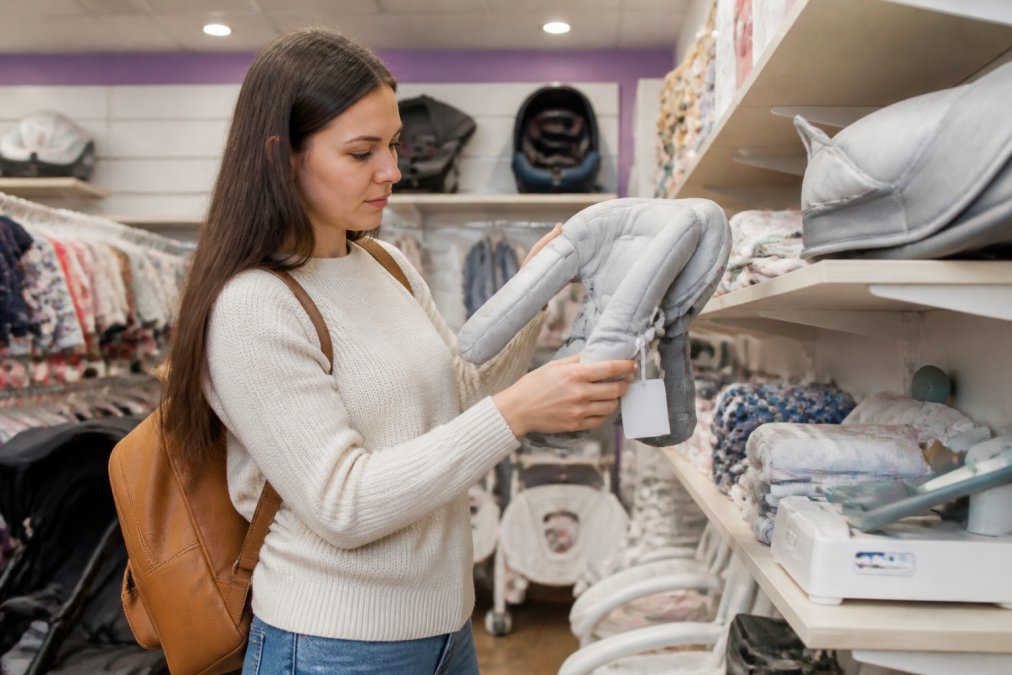
Second-hand baby gear is one of the most effective ways to save money, but only if you know what you're looking for. Pre-owned items can cut costs dramatically on high-ticket items like prams, cots, and bouncers.
The best places include local Facebook Marketplace groups, charity shops, NCT nearly-new sales, dedicated consignment platforms, and car boot sales, particularly for clothing, books, and toys.
How to Verify Safety on Used Gear
Safety verification for used baby gear is non-negotiable. Before buying any pre-owned item, check the following:
- Search the OPSS product recalls database. The Office for Product Safety and Standards product recalls maintains an up-to-date list of recalled baby products.
- Check for the British Standard or CE mark. Look for BSEN or BS EN standards on car seats, cots, and highchairs. If markings are missing or worn, walk away.
- Never buy a second-hand car seat unless you know it has never been in a collision. A car seat involved in an accident may look intact but have compromised structural integrity.
- Inspect all moving parts. Pram frames, highchair straps, and cot drop-sides should move smoothly and lock securely. Any stiffness, rust, or missing parts is a reason to pass.
- Replace the mattress. If you buy a second-hand cot or Moses basket, always buy a new mattress. The Lullaby Trust safer sleep guidelines recommends a firm, flat, waterproof mattress that fits exactly.
- Check the age of the item. Safety standards evolve. Gear more than five years old may not meet current requirements.
How to Save Money on Baby Gear Through Registries and Completion Discounts
A baby registry shifts the cost of many essentials to your baby shower gifts, meaning friends and family fund items you actually need.
To get the most from a registry:
- Add items across all price points. Include small, affordable gifts (muslin cloths, bath thermometers) alongside bigger items.
- Use a registry that offers a completion discount. Many retailers offer a discount on remaining items after your due date, one of the most straightforward ways to save money on baby gear that most parents overlook.
- Be specific. Vague entries lead to duplicate gifts or wrong sizes. Specify exact models, colours, and sizes.
- Don't register for things you're unsure about. If you haven't decided on a feeding approach, leave feeding accessories off until you have more information.
The completion discount alone can represent meaningful savings on items like prams and nursery furniture. Check the terms carefully, some discounts apply for a limited window after your due date.
How to Get Free Baby Samples in the UK
Free baby samples are genuinely available. Formula companies, nappy brands, and skincare manufacturers regularly offer free samples to expecting parents.
The most reliable routes include:
- NHS Healthy Start scheme. Eligible families receive vouchers for food and vitamins. Check eligibility via the NHS Healthy Start scheme.
- Bounty packs. Available through midwives and postnatal wards, these contain product samples, vouchers, and promotional codes from major brands.
- Brand websites. Many nappy, formula, and skincare brands offer free starter packs when you register.
- Supermarket baby clubs. Most major supermarkets run free programmes with money-off coupons, samples, and exclusive markdowns.
- Parenting forums and social groups. Community groups share details of current offers and promotional codes not widely advertised.
Time Your Purchases Around Sales and Markdowns
Timing is one of the simplest ways to save money on baby gear. Retailers run predictable sale cycles, and knowing when to buy makes a significant difference.
Key sale periods:
- January sales (post-Christmas clearance, often the deepest discounts)
- Bank holiday weekends (particularly May and August)
- Black Friday and Cyber Monday (November)
- End-of-season clearance (late summer for spring/summer ranges, late January for autumn/winter)
Buy ahead for the next size up in clothing and the next developmental stage in toys. If your baby is three months old, buy six-month clothing in the January sales. For larger items, set up price alerts rather than buying impulsively. Several browser extensions and price comparison tools track price history and alert you when prices drop.
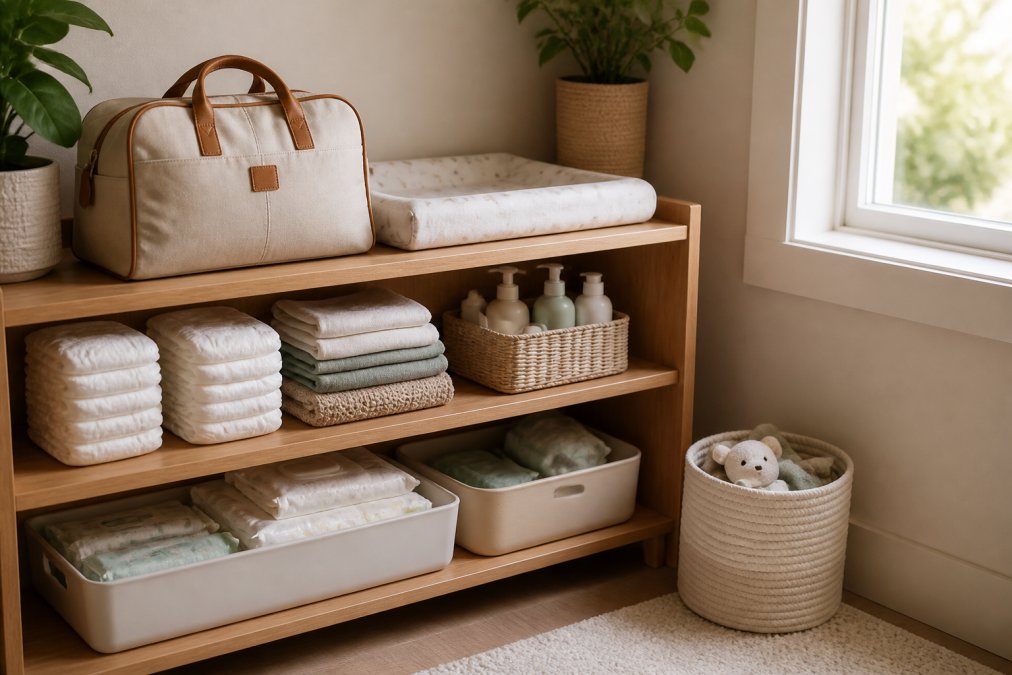
For families batch-cooking baby food and measuring formula accurately, a tool like the Mini Digital Spoon Scale (£11.99) is a low-cost, high-use item worth buying at full price.

Sell and Trade What Your Baby Has Outgrown
Baby gear has a notoriously short useful life. A Moses basket might be used for four months. Clothing sizes change every few weeks in the early months. Most families hold onto outgrown items far longer than necessary, tying up both space and money.
Building a habit of selling outgrown items means your baby gear effectively becomes self-funding. The money from selling a pram funds the next stage pushchair.
Effective options for selling outgrown gear:
- Facebook Marketplace and local selling groups (fast, free to list, local collection avoids postage)
- NCT nearly-new sales (well-attended, trusted audience of local parents)
- Dedicated resale apps (several UK-based apps specialise in pre-owned children's items)
- Charity shops (for items that haven't sold elsewhere)
Some retailers run trade-in programmes for prams and car seats, offering store credit rather than cash. The resale value of well-maintained baby gear is often higher than parents expect.
The Hidden Costs of Cheap Baby Gear (and How to Save Money on Baby Gear the Smart Way)
The most common budgeting mistake is conflating cheap with cost-effective. They're not the same thing.
Cheap baby gear often costs more in the long run. A pushchair that breaks after six months must be replaced. A poorly designed feeding bottle that a baby refuses means buying three more. Nappies that leak consistently mean more clothing changes and more nappies used per day.
The smarter approach is the splurge vs save framework:
- Splurge on: items used daily, items with direct safety implications, items where failure means replacement (car seats, cots, feeding equipment)
- Save on: items used briefly, items where second-hand is safe, items with strong resale value, clothing
Hidden costs to watch for:
- Proprietary accessories (some budget bottle brands use non-standard teats that cost more to replace)
- Poor durability on adjustable items (budget highchairs and prams often have adjustment mechanisms that fail early)
- Non-standard sizing (cheap cot mattresses that don't fit standard frames create safer sleep risks)
- Subscription traps (some baby monitor brands require paid subscriptions for full functionality)
Digital Tools for Tracking Prices
Price tracking tools are underused resources for parents saving on baby gear. Rather than checking prices manually across retailers, these tools do the work for you.
Browser extensions that track price history show whether a product is genuinely on sale or marked down from an inflated RRP. This is particularly useful during Black Friday, when some retailers artificially raise prices before applying discounts. According to Which? consumer advice on Black Friday deals, a significant proportion of "sale" prices during major retail events are not genuine reductions.
Practical digital tools worth using:
- Price history browser extensions (check historical prices before buying)
- Retailer price alert features (receive emails when prices drop)
- Cashback platforms (earn a percentage back on purchases from participating retailers)
- Comparison websites (compare prices across multiple stockists)
The Mama Bear Travel Bag (£24.99) is a good example of buying direct from a trusted retailer, you know exactly what you're getting, with a 30-day risk-free trial and next-day shipping.

New parents face genuine tension: the pressure to have everything ready before the baby arrives, and the reality of a budget with real limits. The good news is that saving money on baby gear and buying safely are not in conflict, they just require a different approach than most retailers want you to take. The Nook and Nurture Company's curated selection is built around this principle: fewer, better choices, with a 30-day risk-free trial so you can buy with confidence. Start with the essentials, verify the safety of anything second-hand, and let the rest wait until you know what your baby actually needs.
Frequently Asked Questions
Is it safe to buy second-hand baby equipment?
Some second-hand baby gear is perfectly safe; other items carry real risk. Car seats should almost always be bought new, as internal damage from a previous collision is invisible. For items like bouncers, playmats and clothing, check the UKCA or CE safety marking, search the Office for Product Safety and Standards recall database, and inspect for broken parts or missing components. Buying from a reputable consignment shop rather than an anonymous listing reduces the chance of receiving recalled or damaged gear.
What baby items are actually worth buying new?
Car seats, cot mattresses and breast pumps are the three items most experts recommend buying new. Car seat integrity cannot be confirmed on a used model, and a cot mattress that has already been compressed and potentially exposed to moisture carries a higher SIDS risk according to NHS guidance. Breast pumps are classified as medical devices and should not be shared. Everything else, from prams to bouncers to clothing, can safely be bought second-hand when properly checked.
How can I get free baby supplies and samples in the UK?
Several routes exist for free baby samples. Registering with major supermarket baby clubs (most offer a welcome box) typically delivers nappies, formula samples and skincare sachets. Midwife appointments and NHS antenatal classes sometimes distribute feeding and hygiene samples. Online parenting communities regularly share codes for free trial boxes. Attending baby shows and local NCT nearly-new sales also yields free samples from exhibiting brands. Stacking these sources over your third trimester can meaningfully cut early spending.
How do I create a realistic baby budget?
Start by listing only the items your baby genuinely needs in the first three months: a safe sleep space, a car seat, nappies, feeding supplies and a changing mat. Assign each a 'buy new', 'buy second-hand' or 'borrow' label before spending anything. Track ongoing costs, particularly nappies and formula, separately from one-off gear purchases. Use a price-tracking browser extension to monitor items on your wish list, and set a firm registry completion deadline so you shop discounts rather than full price.
This article was written using GrandRanker


