

Table of Contents
- Nursery Essentials That Actually Earn Their Space
- Clothing Basics and Diapering Must-Haves
- Feeding Supplies for Breast, Bottle, and Beyond
- Safe Sleep Gear and Bath Time Necessities
- Health, Safety, and Playtime: What a Minimalist Baby Registry Checklist Really Needs
- Baby Registry Must-Haves vs Regrets: The Honest Breakdown
- How to Save Money on Baby Gear Without Cutting Corners
- Second-Hand Baby Gear Safety Standards: What to Check Before You Buy
- Frequently Asked Questions
Last Updated: September 16, 2026
Nursery Essentials That Actually Earn Their Space
A minimalist baby registry checklist 2026 starts with the furniture your baby uses daily and nothing else. First-time parents often over-buy nursery furniture more than any other category.
The Cot, the Mattress, and What You Can Skip
Buy the cot and a mattress that fits it exactly, with no gaps at the edges. A fitted sheet and waterproof mattress protector complete the sleep foundation.

Clothing Basics and Diapering Must-Haves
Newborn clothing is where registries quietly fall apart: babies outgrow the smallest sizes within weeks.
| Item | Quantity to Register For | Why |
|---|---|---|
| Zippered footies | 6-8 in 0-3 months | Night changes, easy access |
| Vests | 8-10, split across sizes | Grows out fast |
| Nappies | One pack, newborn size | Sizing varies by baby |
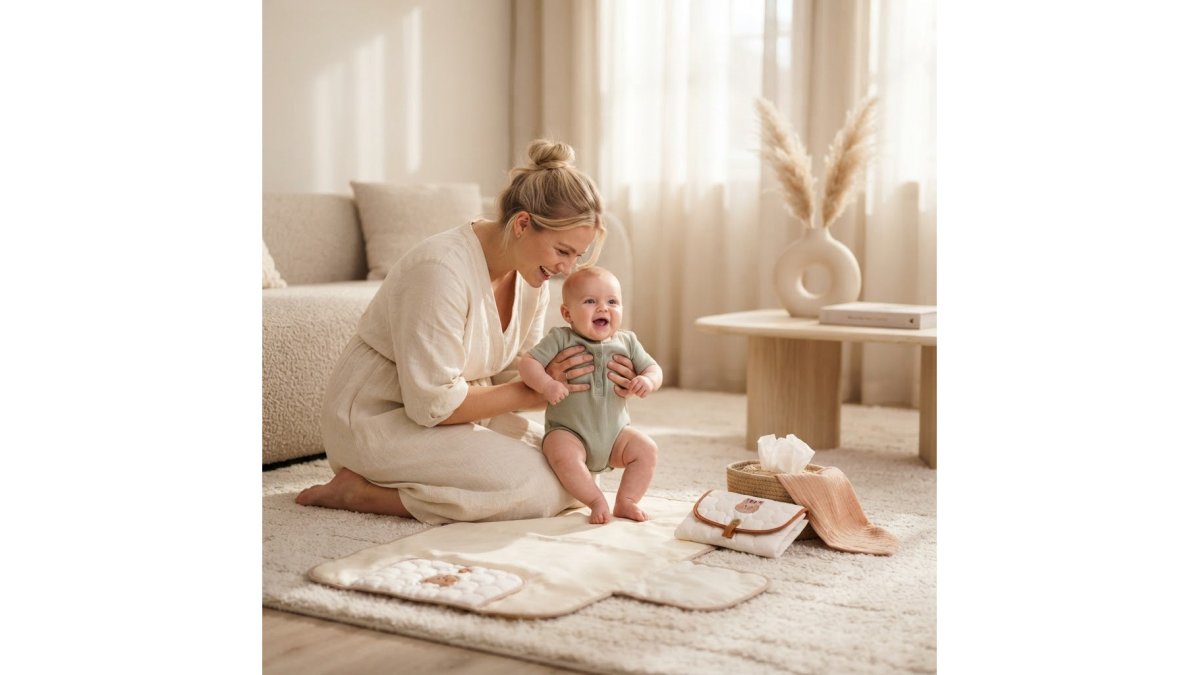
| Changing mat | 1 foldable | Home and on the go |
| Nappy storage | 1 caddy or hanging organiser | Ends the 3am search |
Feeding Supplies for Breast, Bottle, and Beyond
Feeding gear depends on how you plan to feed, and registries most often include things parents never open.
Safe Sleep Gear and Bath Time Necessities
Safe sleep is the one area where the minimalist approach and the safest approach are the same: less is more.
Health, Safety, and Playtime: What a Minimalist Baby Registry Checklist Really Needs
Health and safety items are small, cheap, and the ones parents are most relieved to have already bought.
Baby Registry Must-Haves vs Regrets: The Honest Breakdown
Baby registry must-haves vs regrets comes down to one pattern: parents rarely regret buying too little, and frequently regret buying too much.
| Category | Must-Have | Common Regret |
|---|---|---|
| Sleep | Cot, firm mattress, fitted sheet, sleeping bag | Bumpers, pillows, loose blankets |
| Clothing | Zippered footies, vests in 2-3 sizes | Bulk newborn outfits |
| Diapering | Changing mat, caddy, nappies, wipes | Dedicated changing table |
| Feeding | Starter bottles, muslins, steriliser if bottle feeding | Full bottle set before baby arrives |
| Play | Contrast cards, tactile toys, rattle | Multiple large plastic toys |
How to Save Money on Baby Gear Without Cutting Corners
Learning how to save money on baby gear is less about hunting discounts and more about buying the right quantity the first time. The parents who spend least are often the ones who bought one item where others bought four.
| Item | Jobs it genuinely replaces | Where it falls short | Verdict |
|---|---|---|---|
| Bedside crib that converts to a travel cot | Bassinet, travel cot, occasional playpen | Usually heavier than a dedicated travel cot; conversion mechanism adds bulk | Strong buy if you travel or visit family regularly |
| Carrier that adjusts from newborn to toddler | Sling, structured carrier, and (for some families) a pram for short trips | Newborn insert can be fiddly; toddler weight limits vary by model | Strong buy if you will actually carry rather than push |
| Changing mat with raised sides and storage pockets | Changing mat, nappy caddy, portable change station | Pockets fill with crumbs; not a substitute for a full caddy at home | Moderate, useful for travel, not a home replacement |
| Cot that converts to a toddler bed | Cot, toddler bed, and sometimes a daybed | Conversion kits are often sold separately and discontinued early | Buy only if the conversion kit is included and in stock |
| Highchair that reclines to newborn position | Highchair, newborn seat, and sometimes a bouncer | Recline positions are rarely as supportive as a dedicated newborn seat | Moderate, convenient but not a true replacement |
Second-Hand Baby Gear Safety Standards: What to Check Before You Buy
Second-hand baby gear safety standards matter most for anything that holds your baby, restrains them, or touches their sleep surface, get these wrong and the saving is not worth it. But the second-hand question sits inside a larger one most registry guides ignore: what happens after the registry goes live, when gifts arrive faster than you can assess them.

Managing the Influx: What to Do When the Gifts Arrive
Most minimalist registry advice stops at the point of purchase. The harder problem is the fortnight after the baby shower, when well-meaning friends deliver items you did not ask for, in quantities you cannot store, and in sizes your baby will never wear.
Registry Regret: What to Do When You Bought the Wrong Thing
Registry regret is normal and almost universal. The items parents most wish they had not registered for are those bought for a routine that never materialised: a bottle steriliser for an exclusively breastfed baby, a wipe warmer, bulk newborn clothing, a dedicated changing table, and large plastic toys bought before the baby could sit up.
Frequently Asked Questions
What are the absolute essentials for a minimalist baby registry?
A minimalist baby registry checklist focuses on safe sleep, feeding, diapering, and clothing basics. The essentials are a cot or Moses basket with a firm mattress, fitted sheets, a mattress protector, a car seat, a baby carrier, nappies, wipes, a changing mat, a few onesies and zippered footies, feeding supplies, a thermometer, and a small selection of sensory books. Everything else is optional. The goal is to cover safety and daily function first, then add items only when a real need appears. This approach keeps costs down and your home clutter-free.
How can I avoid overbuying baby gear in 2026?
Start with a registry checklist that separates must-haves from nice-to-haves. Buy only what you need for the first three months, then reassess. Avoid bulk-buying clothing in newborn sizes because babies grow quickly. Use a nappy caddy to keep essentials contained rather than buying multiple storage units. Track what you actually use each week and remove anything untouched. A 30-day trial on big purchases also lets you return items that do not fit your routine. This practical approach prevents the registry regret many first-time parents experience.
Are there baby items that are considered a waste of money?
Yes. Dedicated changing tables, wipe warmers, bottle sterilising machines, and newborn shoes are commonly listed as registry regrets. A changing mat on a dresser or floor works just as well as a standalone table. Many parents also find that excessive newborn clothing, cot bumpers, and bulky toy sets go unused. Instead, prioritise multi-functional items like a portable crib storage bag that hangs on the cot, or a changing mat that folds into your bag. These space-saving choices reduce clutter and save money.
How do I balance minimalism with safety requirements for newborns?
Safety items are non-negotiable, so keep them even in a minimalist registry. A firm mattress with a fitted sheet, a rear-facing car seat, door safety latches, and a thermometer are essential. The key is to choose safe sleep gear that meets current British standards without adding extras like cot bumpers or pillows, which are not recommended. For second-hand items, check for a valid safety mark and no recalls. Minimalism means removing what is unnecessary, not cutting corners on the products that protect your baby.
What should I prioritise when building a baby registry on a budget?
Prioritise safe sleep, feeding, and diapering first. A cot mattress, fitted sheets, a changing mat, nappies, wipes, and a few feeding supplies cover the basics. Use a nappy caddy organiser to keep everything in one place instead of buying multiple storage solutions. Accept second-hand clothing and books, but buy car seats and mattresses new. Look for brands that offer a risk-free trial so you can return items that do not work. This keeps spending focused on what matters most.
Do I really need a dedicated changing table or nursery furniture?
No. A changing mat on a dresser, floor, or bed works just as well and takes up less space. Many parents find that a dedicated changing table becomes a clutter magnet. Instead, use a foldable changing mat and a portable crib storage bag to keep nappies and wipes within reach. This small-space living approach saves money and keeps your nursery practical. If you do buy furniture, choose multi-functional pieces that will last beyond the baby stage, such as a dresser that doubles as a changing station.
How do I know if second-hand baby gear is safe to use?
Check for a visible safety mark, such as the British Standard Kitemark or EN number, and look for any recall notices. Avoid second-hand car seats unless you know the full history and it has never been in an accident. For cots, ensure the mattress is firm and fits snugly with no gaps. Inspect all items for broken parts, missing screws, or sharp edges. If in doubt, leave it. Second-hand clothing and books are generally safe after a wash, but always prioritise safety over savings for sleep and travel gear.
What is the best way to keep a minimalist registry clutter-free after the baby arrives?
Do a declutter at three months and again at six months. Remove anything your baby has outgrown or never used. Store only what you need for the next stage. Use a nappy caddy organiser to contain daily essentials and prevent surface clutter. Rotate sensory books and toys rather than keeping them all out at once. If you received duplicates, return or donate them. A clutter-free home makes nappy changes and feeding easier, and it helps you focus on the items that genuinely support your baby's development.


