

Table of Contents
- Sleeping Essentials and Creating a Safe Sleep Environment for Babies
- Feeding and Nursing Supplies
- How Many Newborn Nappies to Buy and Changing Station Essentials
- Clothing and Apparel Basics
- Travel Gear and Transport Must-Haves
- Toiletries, Grooming and Bathing Essentials
- Health Monitoring and Safety Gear
- Budget vs. Splurge: Where to Invest and Where to Save
Last Updated: August 24, 2026
Sleeping Essentials and Creating a Safe Sleep Environment for Babies
A safe sleep environment is the foundation of newborn care: a firm, flat surface in a cot or Moses basket with fitted sheets and a mattress protector, nothing else. Bumpers, pillows, duvets, and soft toys increase SIDS risk. Babies sleeping on their backs in bare cots have dramatically reduced risk.
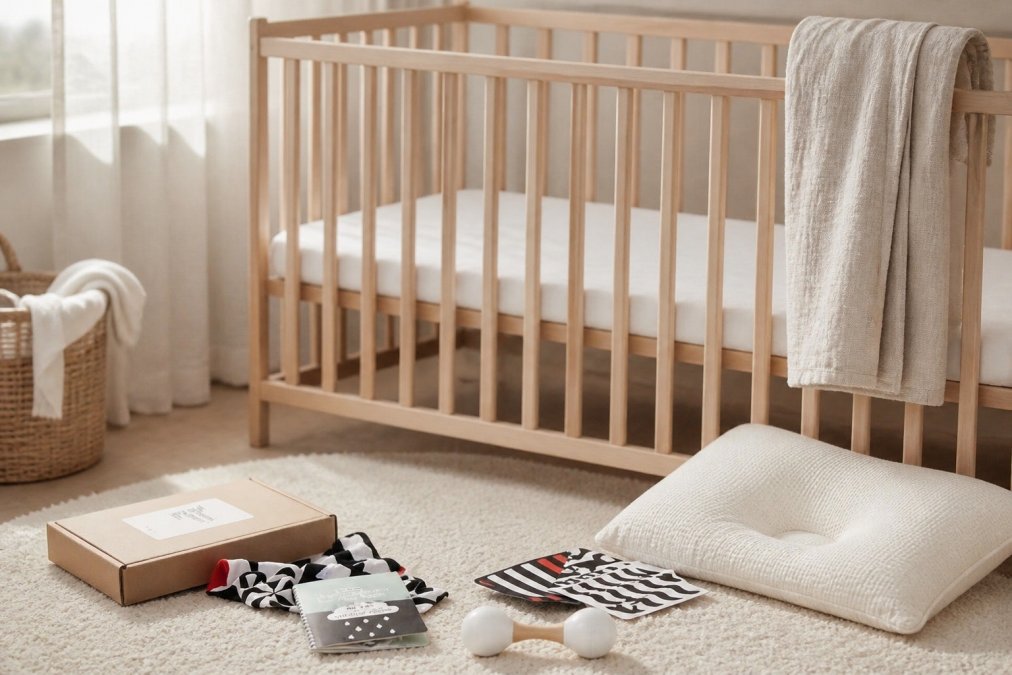
You'll need four to five fitted sheets so you always have a clean one while others wash. Buy six to eight muslin cloths, they work as sheet protectors, burp cloths, sun shades, and changing mats. A waterproof mattress protector extends mattress life and handles inevitable accidents.
Swaddles or sleep sacks replace loose blankets entirely, keeping babies warm without suffocation risk. A white noise machine or cool mist humidifier creates a soothing environment. The Nook and Nurture Company's Cool Mist Aroma Diffuser (£14.99) adds gentle moisture while filling the room with calming scents.
Babies sleep best in rooms between 16-20°C (the NHS). A room thermometer helps monitor this. Blackout blinds support daytime naps and establish circadian rhythm early.
Feeding and Nursing Supplies
If breastfeeding, invest in three nursing bras, breast pads, and nipple cream for early soreness. A good breast pump, electric or manual, provides flexibility and helps with engorgement.
Bottle-feeding requires a steam steriliser or microwave steriliser. You'll need eight to ten bottles and teats in various flow rates. Anti-colic bottles reduce wind and discomfort.
Feeding cushions support your arms and back during frequent feeds, preventing shoulder and neck pain. Muslins catch spills and spit-up. Sterilising tablets offer portable alternatives when away from home. A bottle warmer saves time during exhausting night feeds. Keep six to eight bibs and burp cloths clean and ready.
How Many Newborn Nappies to Buy and Changing Station Essentials
Newborns go through 8-12 nappies daily in the first weeks, tapering to 6-8 by month two (aap.org). Buy two to three packs of newborn nappies (40-50 each) for the first two weeks, then transition to size one. Many families combine disposables and reusable cloth nappies to balance expense and environmental impact.
A dedicated changing station saves your back and keeps everything organised. Stock it with nappies, wipes, nappy cream, barrier cream, and nappy sacks. The Nook and Nurture Company's Nappy Caddy Organiser (£19.99) keeps all essentials within arm's reach, eliminating the 3am scramble.

Barrier cream prevents rash by creating a protective layer; nappy rash cream treats existing irritation. Keep both on hand. A portable changing mat like The Nook and Nurture Company's Baby Changing Mat (£15.99) folds into any bag and ensures a clean surface anywhere.
| Nappy Essential | Quantity | Notes |
|---|---|---|
| Newborn nappies (size) | 100-150 | First 2-3 weeks |
| Wipes | 4-6 packs | Disposable or cloth |
| Barrier cream | 1-2 tubes | Prevention |
| Nappy rash cream | 1 tube | Treatment |
| Nappy sacks | 2-3 rolls | Odour control |
| Changing mat | 2-3 | Home + portable |
Clothing and Apparel Basics
Newborns need practical clothing that's easy to change and wash frequently. Sleepsuits and all-in-ones dominate the first weeks because they're quick to fasten and remove. Buy eight to ten in newborn and size one, babies grow rapidly and you'll rotate constantly through the wash.
Six to eight bodysuits in different sizes cover you from birth through the first three months. Vests add warmth without bulk. Cardigans and jumpers are useful but not essential in warm homes.
Mittens prevent babies from scratching their faces. Socks and booties are easy to lose; buy more than you think you'll need. Many parents find that staying barefoot indoors helps babies regulate temperature and develop foot strength.
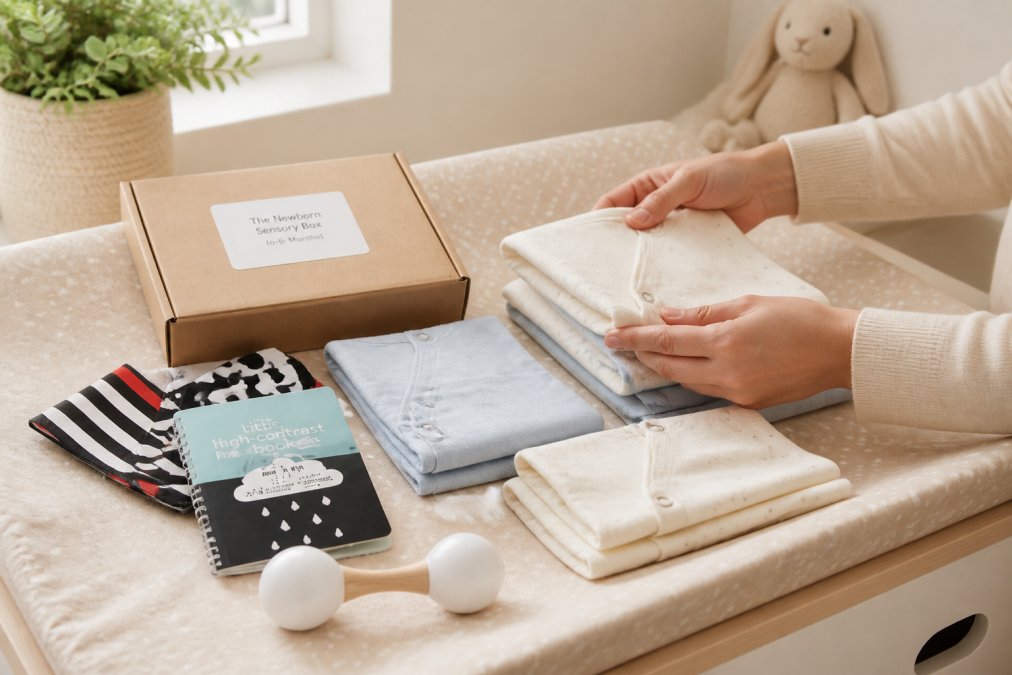
Avoid clothing with small buttons, beads, or decorations that could come loose. Simple, plain designs wash better and last longer. Organic cotton is gentler on sensitive newborn skin, though conventional cotton works fine if budget is tight. Darker colours hide stains better than whites.
A snowsuit becomes essential only in cold climates; layering under a warm pram blanket works just as well. Hats and mittens are important for temperature regulation since newborns lose heat quickly through their heads and hands.
Travel Gear and Transport Must-Haves
A car seat is non-negotiable if you own a car, it's also a legal requirement. Infant car seats click into bases that stay installed, making transfers easier without waking sleeping babies. Many parents choose travel systems combining a car seat with a pushchair frame.
A pushchair serves multiple purposes: transport, a place for the baby to sleep while out, and storage for gear. Three-in-one systems offer a carrycot for newborns, a reversible seat for older babies, and a car seat that clicks in. They're expensive but versatile.
A baby carrier or sling keeps your hands free while keeping your baby close. Structured carriers distribute weight evenly and work from newborn onwards. Soft wraps require practice but offer flexibility and portability.
A changing bag large enough for nappies, wipes, spare clothes, a changing mat, and feeding supplies is essential. Backpack-style bags distribute weight better than shoulder bags. The Baby Changing Mat from The Nook and Nurture Company fits easily into any bag.

A portable bassinet or travel cot lets your baby sleep safely when visiting family or staying away. A sunshade for the pushchair protects delicate skin from UV rays without overheating.
Toiletries, Grooming and Bathing Essentials
Newborn skin is sensitive. Mild, fragrance-free baby wash is all you need; many paediatricians suggest plain warm water for the first few weeks. A soft washcloth or natural sponge is gentler than your hands alone.
A baby bath or bath support makes bathing safer and easier. A bath thermometer ensures water stays between 37-38°C. Never rely on your elbow or hand to judge temperature.
Nappy rash cream and barrier cream belong in the grooming kit. A soft brush and comb help with cradle cap if it develops. Nail clippers designed for babies have safety guards; many parents file nails with a soft emery board instead.
A rectal thermometer is essential for accurate temperature readings in newborns. Digital thermometers are faster and safer than mercury ones. Keep paracetamol and ibuprofen suitable for infants on hand, following dosing guidance from your health visitor.
Baby moisturiser helps prevent dry skin, particularly in winter. Unscented options are safest. Watch your baby's skin and respond accordingly rather than using it automatically.
Health Monitoring and Safety Gear
A baby monitor lets you hear or see your baby from another room. Audio monitors are affordable; video monitors cost more but offer peace of mind. Basic audio monitors suffice for small homes.
A thermometer is essential for checking fever. Digital ear or forehead thermometers are fast; rectal thermometers are most accurate for newborns.
A humidifier adds moisture to dry air, helping with congestion and cradle cap. The Cool Mist Aroma Diffuser from The Nook and Nurture Company (£14.99) serves double duty as a humidifier and night light.
Teething toys, though not needed immediately, become invaluable around four to six months. The Rattles and Teethers Gift Set from The Nook and Nurture Company (£9.99) offers safe, BPA-free options that soothe sore gums.
A first aid kit specifically for babies should include plasters, antiseptic wipes, cotton wool, and any medications your health visitor recommends. Keep it easily accessible but out of reach.
Budget vs. Splurge: Where to Invest and Where to Save
A car seat is non-negotiable and should be a quality purchase, this is where you don't compromise. A safe cot mattress and fitted sheets are worth buying well because your baby spends 16+ hours daily sleeping.
A good pushchair or travel system is worth the investment if you'll use it for multiple children. If you're done after one baby, a mid-range option serves you fine. The same logic applies to prams and carriers.
Feeding equipment varies widely in price. Mid-range options perform as well as premium brands. Splurging here rarely adds value.
Clothing is where many parents overspend. Babies grow fast and spend most time in sleepsuits. Expensive designer outfits sit unworn. Buy practical basics and save premium spending for occasional special occasions.
Storage and organisation items like the Nappy Caddy Organiser (£19.99) pay for themselves in convenience during 3am changes. These are worth buying well because you'll use them constantly.
Sensory toys matter more than quantity. The Newborn Sensory Box (£48.99) and Yookidoo Urban Gymotion Playmat (£69.99) from The Nook and Nurture Company support developmental milestones effectively. One quality playmat beats three cheap ones.

Gadgets like wipe warmers, bottle warmers, and fancy monitors are genuinely optional. Buy these only after your first month when you know what you actually need.
Second-hand safety considerations matter. Car seats should never be bought used unless you know their history. Cots, mattresses, and bedding should be new to ensure they meet current safety standards. Clothing, toys, and carriers are safe to buy second-hand if clean and undamaged.
| Item | Budget Option | Premium Option | Our Recommendation |
|---|---|---|---|
| Car seat | £80-120 | £250-400 | Invest in safety |
| Pushchair | £150-300 | £500-1,000 | Mid-range quality |
| Cot mattress | £40-60 | £150-250 | Invest in safety |
| Clothing | High street | Designer brands | Budget basics |
| Playmat | £20-30 | £70+ | Quality over quantity |
| Monitor | Audio only | Video + WiFi | Audio sufficient |
| Steriliser | Basic electric | Premium models | Basic works fine |
Preparing for a newborn feels overwhelming until you realise that most must-have items fall into a few clear categories: safe sleep, feeding, nappies, clothing, and transport. The Nook and Nurture Company curates each of these essentials with parents in mind, combining safety, functionality, and thoughtful design. Our 30-day risk-free trial and next-day shipping mean you can order with confidence, knowing you can return anything that doesn't work for your family. Start with the basics, add items as you discover what your baby actually needs, and trust that you're building a foundation that supports both safety and development from day one.
Frequently Asked Questions
What are the absolute must-have items for a newborn baby?
The essentials fall into seven core categories: sleeping gear (cot, mattress, fitted sheets, sleepsuits), feeding supplies (bottles or nursing support), nappies and changing station items, basic clothing, a safe car seat for transport, toiletries for bathing and nappy changes, and health monitoring tools like a thermometer. Beyond these, items like muslin cloths, a baby monitor, and a changing mat transform daily routines from stressful to manageable. First-time parents often buy far more than needed; focus on these categories and add comfort items gradually.
How many newborn nappies to buy before baby arrives?
Newborns use 8-12 nappies daily in the first weeks, so plan for 60-80 nappies per week. Start with 2-3 boxes of newborn size (typically 20-40 nappies per box) before birth. This gives you a safety net without overbuying, since babies grow quickly and move to size 1 within 4-6 weeks. Many parents find disposable nappies essential initially for convenience, though some transition to reusable cloth nappies after the newborn phase. The Nappy Caddy Organiser (£19.99) keeps all your changing essentials, nappies, wipes, creams, in one portable place.
What should I prioritise for a safe sleep environment for babies?
A safe sleep environment requires a firm cot mattress, fitted sheets that fit snugly, and a bare cot with no pillows, duvets, or bumpers. Room-sharing without bed-sharing is recommended for at least the first six months. The Lullaby Trust and NHS guidance emphasise a cool room (16-20°C), on-the-back sleeping position, and a dummy at nap time and bedtime. Sleepsuits are safer than loose blankets. A baby monitor allows you to hear or see your baby without entering the room frequently, reducing the urge to adjust bedding or check unnecessarily.
Are there newborn items that are a waste of money?
Many parents overspend on items babies outgrow in weeks or simply don't use. Wipe warmers, nappy pails, and elaborate nursery furniture often go unused. Newborns don't need a changing table, a changing mat on your bed or a chest of drawers works just as well. Expensive cot bedding sets are unnecessary when fitted sheets suffice. Instead, invest in versatile items: the Yookidoo Urban Gymotion Playmat (£69.99) grows with your baby through three stages, replacing multiple single-purpose mats. Muslin cloths and a good nappy caddy deliver far more value than decorative items.
What safety standards should I look for in newborn gear?
Check for EN71 certification on toys and play mats, which confirms compliance with European safety standards for toy flammability, mechanical hazards, and chemical safety. Cots and mattresses should meet BS EN 716 standards. Car seats require ECE R44/04 or i-Size certification. Look for BPA-free labelling on bottles and teethers. The Rattles and Teethers Gift Set (£9.99) is BPA-free and designed for safe chewing from birth. Always verify product recalls via the Office for Product Safety and Standards before purchase, and choose products from established retailers who stand behind their safety claims.
This article was written using GrandRanker


