

Table of Contents
- Why Non-Toxic Baby Product Certifications Matter
- Understanding Common Baby Product Certifications
- UK Toy Safety Regulations EN71 and Other Standards
- Harmful Chemicals to Avoid in Baby Gear
- How to Read Product Labels and Verify Certifications
- Certification Limitations and What They Don't Cover
- Budget-Friendly Non-Toxic Shopping Strategies
- Maintenance and Longevity of Non-Toxic Baby Products
Last Updated: August 27, 2026
Why Non-Toxic Baby Product Certifications Matter
When choosing products for your baby, safety isn't negotiable. Products your child touches, wears, and sleeps on come into direct contact with developing skin and can be ingested during normal play and teething. Non-toxic baby product certifications provide third-party verification that independent testing bodies have confirmed products meet rigorous safety standards.
Many parents assume all baby products sold in shops have been thoroughly tested. They haven't. Regulatory gaps mean manufacturers can use harmful chemicals, flame retardants, heavy metals, and volatile organic compounds in items marketed to babies without independent verification. A certification from an accredited testing body fills that gap.
At The Nook and Nurture Company, we understand that parents need reliable ways to distinguish between genuine safety standards and marketing buzzwords. This guide breaks down the most important non-toxic baby product certifications you'll encounter, explains what they actually test for, and shows you how to identify products that genuinely meet rigorous safety standards.
Understanding Common Baby Product Certifications
Non-toxic baby product certifications vary significantly in scope and rigour. Some test only for specific chemicals, while others evaluate the entire product lifecycle, from raw materials through manufacturing to disposal.
The most credible certifications use independent, third-party testing. An accredited laboratory performs testing according to published standards, and results are verified by the certifying body. This independence separates genuine safety assurance from marketing claims.
When evaluating certifications, look for: published testing standards that are publicly available, regular re-testing requirements, transparent ingredient disclosure, and restrictions on harmful chemicals that are specifically named rather than vague. Certifications that allow manufacturers to keep ingredient lists secret offer limited assurance.
OEKO-TEX Standard 100 Baby Safety: What Parents Need to Know
OEKO-TEX Standard 100 is one of the most widely recognised certifications for textiles used in baby clothing and bedding. It tests finished products and component materials for over 360 harmful substances, including formaldehyde, heavy metals, pesticides, and flame retardants (oeko-tex.com).
The "Baby" classification within the standard applies the most stringent limits to products intended for children under three years old, accounting for vulnerable skin and the tendency to put items in their mouth. The certification covers the full textile supply chain, with manufacturers documenting raw material sources and submitting finished products for testing.
However, OEKO-TEX Standard 100 focuses specifically on textiles. It doesn't cover non-fabric components like plastic fasteners, foam fillings, or dyes. If a baby product combines textiles with other materials, you may need additional certifications.
OEKO-TEX Standard 100 official certification details
GOTS Certified Baby Clothes UK: Organic Textile Standards
Global Organic Textile Standard (GOTS) certification confirms that textiles are made from organic fibres and produced according to strict environmental and social standards. For GOTS certified baby clothes, cotton or other plant fibres were grown without synthetic pesticides, and manufacturing avoided harmful chemical dyes and finishes.
GOTS requires traceability from farm through every processing step. Manufacturers must document that organic fibres came from certified sources, that processing facilities meet environmental standards, and that workers were treated fairly. This comprehensive approach addresses both human health and ecosystem concerns.
The certification includes testing for residual chemicals in finished textiles, with emphasis on eliminating synthetic dyes and processing chemicals. GOTS certified baby clothes typically have lower VOC emissions and avoid heavy metals from dye processes. While often more expensive than conventional alternatives, many parents find the combination of ingredient transparency and environmental responsibility justifies the cost.
GREENGUARD Gold Certification
GREENGUARD Gold is increasingly important for baby products like cribs, mattresses, and changing tables. The certification tests for volatile organic compounds (VOCs), formaldehyde, and other chemicals that off-gas from products into the air your baby breathes.
GREENGUARD Gold is particularly stringent for children's environments, with testing limits set lower than standard GREENGUARD certification. Products must pass testing both before and after simulated use to ensure they remain compliant as they age. The certification includes third-party testing of materials, adhesives, finishes, and coatings.
UK Toy Safety Regulations EN71 and Other Standards
Toys sold in the UK must comply with EN71, the European standard for toy safety. This regulation covers mechanical hazards, flammability, chemical composition, and migration of certain substances.
EN71 Part 3 specifically addresses chemical safety and heavy metals, limiting lead, cadmium, and other toxic metals in toy materials (europa.eu). It also restricts phthalates, which are plasticisers that can leach from PVC and other plastics. However, EN71 limits are sometimes higher than those set by more rigorous third-party certifications like GREENGUARD Gold or OEKO-TEX.
Products must carry CE marking to show compliance, but CE marking indicates manufacturer self-declaration, not independent testing. This is why many parents look for additional third-party certifications on top of EN71 compliance.
Harmful Chemicals to Avoid in Baby Gear
Understanding which chemicals pose genuine risks helps you evaluate product claims and certifications. The most concerning substances in baby products include flame retardants, phthalates, heavy metals, formaldehyde, and synthetic dyes.
Flame retardants are added to many textiles, foams, and plastics to meet flammability regulations. Some flame retardants, particularly brominated compounds, are associated with human health concerns. Non-toxic baby product certifications often restrict these substances or require safer alternatives like mineral-based flame retardants.
Phthalates are plasticisers used to make PVC flexible, commonly found in plastic toys, teethers, and changing mats. Comprehensive certifications test for multiple phthalate types rather than just one. Formaldehyde is used as a preservative in some textiles and coatings and can off-gas from products, particularly when new.
Heavy metals like lead and cadmium appear in some paints, dyes, and metal components. Young children absorb heavy metals more readily than adults, and even small amounts can accumulate over time. Third-party testing for heavy metals is one of the most important verifications you can look for.
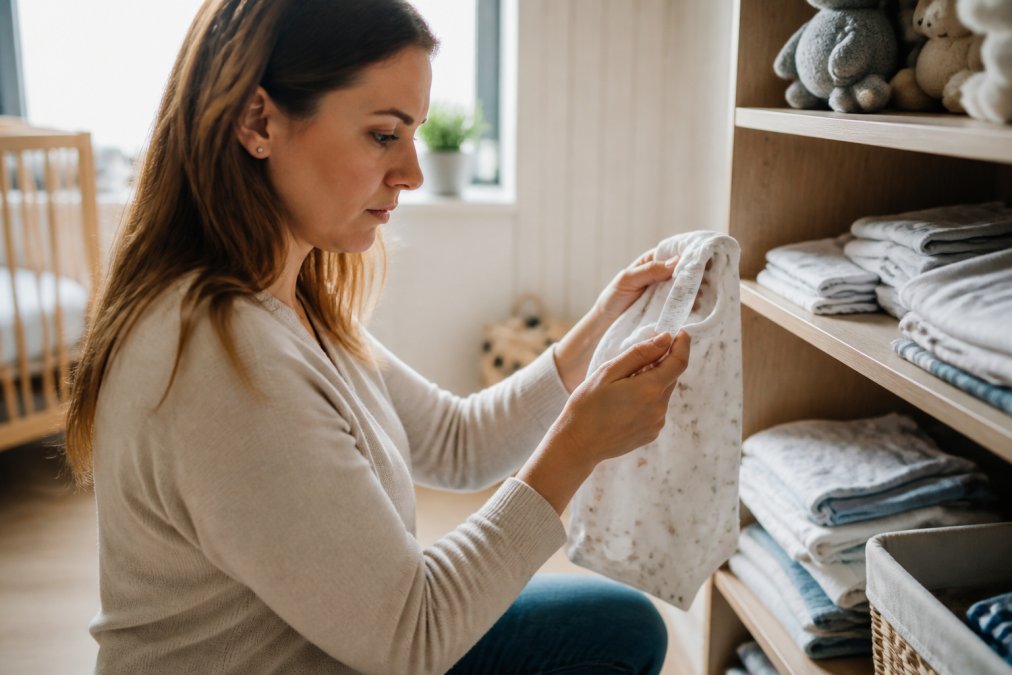
Synthetic dyes used in conventional textile production often contain azo compounds and heavy metals. GOTS and OEKO-TEX certifications restrict synthetic dyes and require testing for residual chemicals in finished textiles. The challenge is that many of these chemicals aren't listed on product labels, which is why independent testing and certification are so valuable.
How to Read Product Labels and Verify Certifications
Product labels often use language designed to sound reassuring without making specific claims. Terms like "natural," "chemical-free," and "safe for babies" aren't legally defined and don't guarantee third-party testing.
Genuine certifications appear as logos or labels with specific names and, often, a certification number. Look for OEKO-TEX, GOTS, GREENGUARD Gold, or EN71 markings. These should be accompanied by either a QR code linking to verification information or a certification number you can look up on the certifying body's website.
Read ingredient lists carefully when provided. Transparent manufacturers list specific materials, dyes, and finishes. Vague language like "proprietary blend" or "trade secret formula" often indicates the manufacturer is hiding something. For textiles, look for specific fibre content and specific finishing processes.
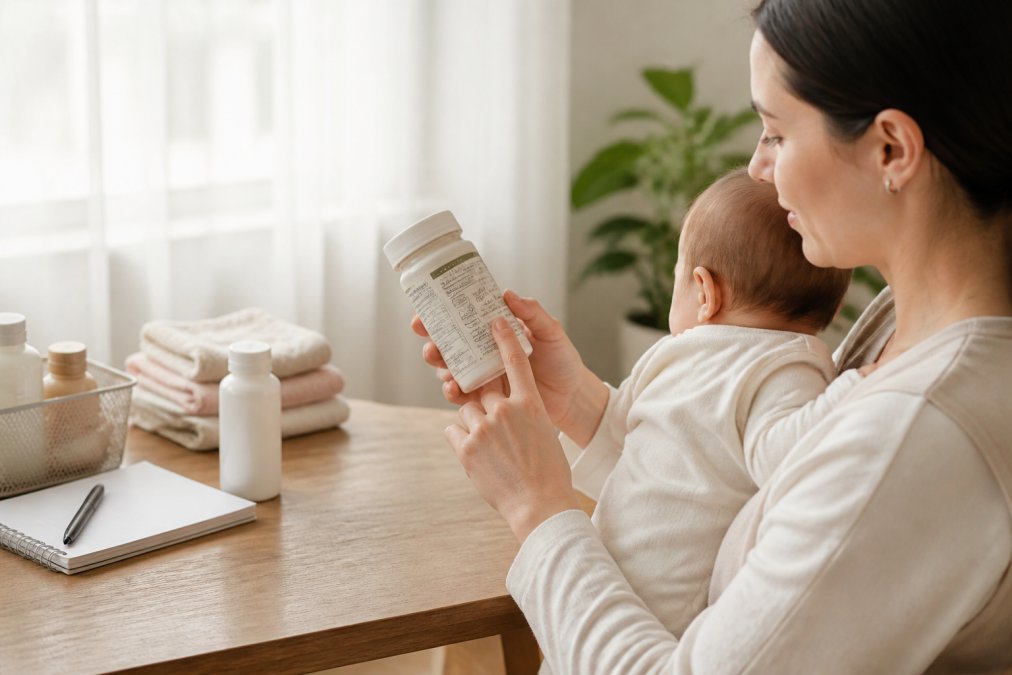
Check the product's country of origin and manufacturing standards. Products made in countries with strong environmental and labour regulations are more likely to have undergone rigorous testing. However, certification matters most, a product made anywhere can be OEKO-TEX or GOTS certified if it meets the standards.
When shopping, prioritise products with multiple certifications. A textile that is both GOTS certified and OEKO-TEX certified offers more comprehensive assurance than a product with only one certification. If a product carries only EN71 compliance and no additional certifications, it meets legal minimums but may not reflect best practice.
Certification Limitations and What They Don't Cover
No single certification addresses every potential hazard in a baby product. OEKO-TEX tests for chemical residues in textiles but doesn't evaluate mechanical safety or choking hazards. GREENGUARD Gold tests for off-gassing but doesn't assess phthalates or heavy metals in the same way OEKO-TEX does.
Certifications also vary by product category. A certification that applies to textiles may not apply to toys, furniture, or feeding equipment. A product might carry an OEKO-TEX label for the fabric, but plastic buckles, foam padding, or metal fasteners may not have been tested to the same standard.
Regional differences matter too. Standards that apply in the UK differ from those in the US or EU. Always check that a product's certifications are relevant to UK regulations and standards.
Certifications test products at the time of manufacture and don't guarantee safety after repeated washing, exposure to sunlight, or years of use. A GOTS certified textile may degrade over time, or a GREENGUARD certified mattress may off-gas differently after extended use. Maintenance and proper care are part of keeping products genuinely safe.
Finally, certifications don't address every chemical of concern. New chemicals are developed regularly, and certifications lag behind. This is why looking for recent certifications and checking for updates is worthwhile.
Budget-Friendly Non-Toxic Shopping Strategies
Choosing non-toxic baby product certifications doesn't require unlimited spending. Strategic shopping and prioritisation can help you access safer products within a realistic budget.
Start by identifying which products your baby uses most intensively. Items that contact skin for extended periods, bedding, sleepwear, and blankets, should be your priority for certified products. Toys that are frequently mouthed also justify certified options.
Less critical items, occasional-use clothing, decorative items, or products your baby outgrows quickly, can be lower priority. Look for sales and end-of-season discounts on certified products. Second-hand certified products are another option; if an item was certified when new, it remains the same product, and buying used extends its use life while reducing your cost.
Consider starting with one or two certified products and expanding gradually. A GOTS certified cot sheet, an OEKO-TEX certified sleepsuit, and a GREENGUARD certified mattress cover create a safer sleep environment without requiring a complete overhaul.
The Nook and Nurture Company's curated selection focuses on products that offer genuine safety assurance. By selecting items thoughtfully and prioritising where certifications matter most, you can build a genuinely safer environment for your baby while respecting your budget.
Maintenance and Longevity of Non-Toxic Baby Products
Certified non-toxic baby products often last longer and age better than conventional alternatives, particularly textiles made from organic fibres. Wash certified textiles according to care labels, typically in cool water with gentle detergents. Avoid fabric softeners and bleach, which can degrade fabric and leave chemical residues.
Store certified products in clean, dry spaces away from direct sunlight. UV exposure can degrade organic fibres. For items like mattresses and furniture, regular vacuuming with a HEPA filter helps remove dust and potential contaminants. Avoid covering certified mattresses with plastic, which can trap moisture.
When products reach the end of their useful life, consider how they're disposed of. Certified organic textiles biodegrade more readily than synthetic alternatives, so donating or composting them is more environmentally responsible than landfill disposal.
Choosing products with genuine non-toxic baby product certifications gives you concrete assurance that your baby's environment is as safe as possible. The certifications covered here, OEKO-TEX, GOTS, GREENGUARD Gold, and EN71, represent rigorous, independent testing that goes beyond legal minimums. At The Nook and Nurture Company, we prioritise products that carry these certifications because we understand that parents deserve to know exactly what their children are using. Start with high-contact items, verify certifications through official channels, and build a safer nursery gradually. Your baby's health is worth the care you invest in choosing wisely.
Frequently Asked Questions
What are the most reliable non-toxic certifications for baby products?
OEKO-TEX Standard 100, GOTS (Global Organic Textile Standard), and GREENGUARD Gold are among the most rigorous. OEKO-TEX tests for harmful chemicals including heavy metals and formaldehyde; GOTS verifies organic textiles and restricts synthetic dyes; GREENGUARD measures volatile organic compounds and off-gassing. Third-party testing underpins each, making them more trustworthy than unverified 'chemical-free' claims. Choose based on product type: textiles benefit most from GOTS, furniture and soft goods from GREENGUARD.
Is OEKO-TEX Standard 100 safe for babies?
Yes. OEKO-TEX Standard 100 certifies that textiles meet strict safety limits for harmful chemicals including pesticides, heavy metals, and volatile organic compounds. The standard specifically includes a baby category with the most stringent thresholds. Products bearing this certification have undergone third-party testing and ongoing compliance audits, providing genuine assurance that newborns and infants can safely wear or contact the material.
How can I identify chemical-free baby products in the UK?
Look for recognised third-party certifications on product labels: OEKO-TEX, GOTS, GREENGUARD Gold, or CE marking for toys compliant with EN71. Read ingredient transparency statements, reputable brands list what they've tested for and excluded. Check for claims about formaldehyde-free, BPA-free, PVC-free, and phthalate-free status. Verify certifications directly on issuing body websites rather than trusting marketing language alone. When in doubt, contact the manufacturer to confirm testing and certification details.
What does GOTS certification mean for baby clothing?
GOTS (Global Organic Textile Standard) certifies that baby clothing is made from organic cotton or other organic fibres, processed without synthetic pesticides or toxic dyes. It covers the entire supply chain from farming through manufacturing, ensuring human health and environmental protection. GOTS-certified baby clothes are free from formaldehyde, heavy metals, and restricted chemicals. The certification is particularly valuable for newborns whose sensitive skin benefits from both organic materials and rigorous chemical-free processing.
This article was written using GrandRanker


