

Table of Contents
- What Makes a Baby Shop Curated?
- Curated vs. Big Retailers: A Cost Comparison
- The Real Value: Quality, Safety, and Resale
- Essential vs. Non-Essential Baby Items: What to Buy Where
- How to Save Money on Baby Gear Without Sacrificing Quality
- What to Ignore: Marketing Hype vs. Thoughtful Design
- The Verdict: Is the Curated Approach Right for You?
- Frequently Asked Questions
Last Updated: September 6, 2026
Every new parent faces the same question: are curated baby shops worth it when a superstore sells a cot for half the price? The answer depends on what you are buying and how you plan to use it.
What Makes a Baby Shop Curated?
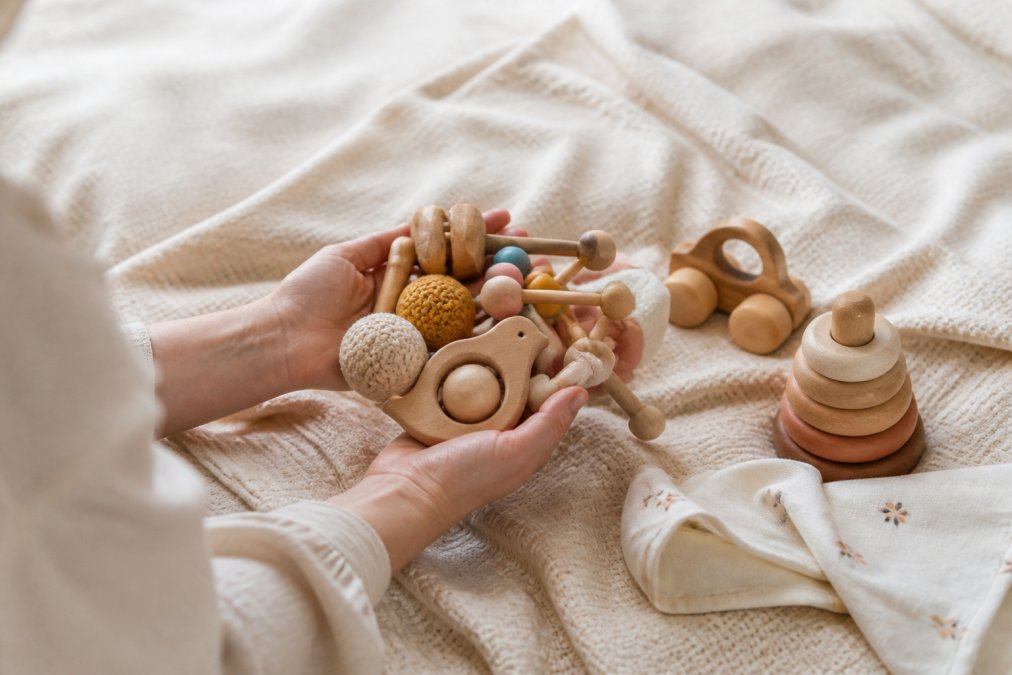
A curated baby shop selects a limited range of products based on specific criteria rather than stocking everything available. Instead of forty baby monitors, a curated shop might carry three, each chosen for verified safety standards, material quality, and thoughtful design.
Every product must meet a clear brief, whether organic fabrics, FSC-certified wood, or strict safety certification. Mass-produced items often win on price but lose on material composition and longevity.
Curated vs. Big Retailers: A Cost Comparison
The upfront price difference is real, but only half the story. A basic changing table might cost less initially, yet often lacks features that protect your back and child, such as a 90cm working height or anti-tip wall bracket.
A more useful comparison is cost-per-use. The 7-in-1 Wooden Climbing Set at £279.99 looks significant next to a plastic slide, but it converts into multiple configurations, supports children from roughly 12 months through the toddler years, and is crafted from solid beech wood with an 80kg load capacity.
| Item Type | Curated Example | Typical Price | Why It Holds Value |
|---|---|---|---|
| Multi-stage play | 7-in-1 Wooden Climbing Set | £279.99 | Converts to 7 configurations, 80kg capacity |
| Storage + toys | Speedy Monkey My First Toy Box | £34.99 | Includes 4 toys, FSC-certified wood |
| Ergonomic furniture | Shefa Kids Changing Unit | £144.49 | 90cm height, converts to dresser |
| Daily organisation | Nappy Caddy Organiser | £19.99 | Portable, holds full nappy pack |
The Real Value: Quality, Safety, and Resale
Quality, safety, and resale value are where curated baby shops justify their price tags. To understand the true worth, look beyond the sticker price and examine the full lifecycle of the product.
The Environmental Lifecycle: Why 'Buy Once' Beats 'Buy Cheap' Repeatedly
A mass-market plastic toy is manufactured from virgin polymers, shipped thousands of miles, used for an average of six months, then breaks or is outgrown. It ends up in landfill or an incinerator.
A curated wooden alternative tells a different story. Solid beech or birch wood finished with water-based or organic oils has a lower embedded carbon cost than virgin plastic. It is designed to be repaired, not replaced, and retains structural integrity when outgrown. It can be passed to a sibling, sold on Vinted or eBay UK, or donated to charity.
The greenest product is the one you buy once. A £280 wooden climbing set used daily for three years and resold for £100 has a negligible footprint compared to a £60 plastic slide that cracks in 18 months and goes to landfill.
Safety Certification: What Curated Shops Actually Vet
The safety element is the most critical, and it is where curated shops earn their keep. Toys must meet the EN71 safety standard, covering mechanical and physical properties, flammability, and chemical migration (ec.europa.eu). Nursery furniture requires UKCA or CE marking to demonstrate compliance with the General Product Safety Regulations 2005 (gov.uk).
Passing a standard is the legal minimum, not a badge of excellence. Mass-market retailers test to the baseline, but the regime is often minimal and the supply chain opaque. Curated shops typically go further, selecting suppliers who test to stricter standards and provide batch-specific certification.
A curated shop might only stock toys with FSC certification for the wood source. They might reject a changing unit because the anti-tip bracket is not integrated, even though it passes the minimum standard.
The Resale Economy: Real Numbers from the UK Second-Hand Market
The durability of curated items drives a robust second-hand market. Solid wood nursery furniture and well-known wooden toy brands retain 40-60% of their original value after three years (which.co.uk). Mass-market plastic items typically retain less than 10%.
The second-hand market for baby goods is enormous, driven by environmental awareness and the cost of outfitting a nursery. Parents seek out brands known for durability and safety certification. A curated wooden toy box that cost £35 new will sell for £20 on a local Facebook group; a £15 plastic equivalent will not sell at all.

The true cost of a curated item is the purchase price minus resale value, divided by number of uses. A £280 climbing frame resold for £120 after three years of daily use costs roughly £0.15 per day.
The Giftability Factor: The Social Value of a Curated Purchase
Financial analysis ignores the social and emotional value of curated items as gifts. A significant portion of boutique baby shop purchases are made by grandparents and family friends who want to give something meaningful.
A curated gift signals thoughtfulness, that the giver considered safety, quality, and longevity rather than grabbing the first brightly coloured item off a shelf. This is why curated shops thrive on gift registries.
Essential vs. Non-Essential Baby Items: What to Buy Where
Not everything needs the curated treatment, and knowing the difference between essential vs non-essential baby items is the smartest way to budget. Essentials are items you use multiple times daily for months, where ergonomics and durability affect your wellbeing. The Nappy Caddy Organiser at £19.99 holds a full pack of nappies, wipes, and creams, and moves from nursery to living room.

Non-essentials are nice-to-haves where a budget option causes no harm. A muslin cloth or basic sleepsuit does not need premium engineering. Buy curated for anything touching safety, sleep, or daily logistics; buy budget for disposables and short-term clothing.
| Category | Buy Curated | Buy Budget | Reason |
|---|---|---|---|
| Safety gear | Yes | No | Certification and testing matter |
| Daily storage | Yes | No | Used 10+ times per day |
| First toys | Yes | No | Developmental benefit and durability |
| Disposables | No | Yes | Short lifespan, no resale |
| Occasion outfits | No | Yes | Outgrown within weeks |
How to Save Money on Baby Gear Without Sacrificing Quality
Saving money on baby gear does not mean buying the cheapest option; it means buying the right option once. Think not about upfront price but cost-per-wear.
The Cost-Per-Wear Formula: A Working Example
The formula is straightforward:
Cost per use = (Purchase price − Resale value) ÷ Number of uses
Apply this to two real scenarios.
Scenario A: The 7-in-1 Wooden Climbing Set at £279.99
This set supports a child from roughly 12 months through the toddler years. At 30 minutes a day, five days a week over three years, that is approximately 780 uses. Never resold, the cost per use is £0.36. Resold for £120, it drops to £0.21 per use.
Scenario B: A £60 plastic slide from a big-box retailer
A plastic slide might last 18 months before it cracks, fades, or is outgrown, approximately 390 uses at 30 minutes a day, five days a week. The cost per use is £0.15. But you will need a replacement: two plastic slides over three years cost £120 for 780 uses, £0.15 per use. The wooden set, at nearly five times the upfront cost, is only 40% more expensive per use.
This is not an argument for buying premium everything, but for doing the calculation before you buy.
A Practical Framework: Where the Formula Points to Budget
The formula also tells you where to save. Items with short lifespans and no resale market should be bought as cheaply as possible:
- Disposables: Nappies, wipes, and changing mat liners have a single use. Buy in bulk from discount retailers.
- Occasion outfits: A christening gown or a first birthday outfit is worn once or twice. Borrow, buy second-hand, or choose a budget option.
- Short-term clothing: Newborn sizes are outgrown within weeks. Buy second-hand bundles on Vinted or from charity shops.
- Single-stage toys: A toy your child will outgrow in three months does not justify a premium price tag.
The Second-Hand Strategy: What to Buy Pre-Loved and What to Buy New
Embracing second-hand for the right categories is a significant saving available to parents. The market is mature and well-organised, with dedicated Facebook groups, Vinted, eBay, and charity shops across the country.
Buy second-hand with confidence:
- Solid wood furniture: Cots, changing units, and bookshelves in solid wood hold their structure for decades. A quick sand and a coat of non-toxic paint transforms them.
- Wooden toys: These can be cleaned thoroughly and are often in excellent condition because they do not break.
- Prams and pushchairs: Check the brakes, harness, and frame integrity. If they pass inspection, a second-hand pram from a reputable brand is a fraction of the new price.
- Baby carriers: Washable and structurally simple, these are safe to buy second-hand if the buckles and fabric are intact.
Always buy new:
- Car seats: Internal damage from a previous accident is not always visible. Safety guidance is clear: car seats should be replaced after any accident, and you cannot verify a second-hand seat's history.
- Cot mattresses: Bacteria, mould, and the risk of suffocation from a sagging mattress make this a non-negotiable new purchase.
- Electrical items: Baby monitors, bottle sterilisers, and breast pumps have internal components that degrade and cannot be inspected visually.
The Trial Strategy: Reducing Risk on Premium Purchases
Finally, look for retailers offering a risk-free trial. A 30-day money-back guarantee, such as the one offered by The Nook and Nurture Company, lets you test whether an item fits your space and your baby's needs before committing fully.
The trial strategy is particularly valuable for larger items like climbing frames, changing units, and storage solutions. Assemble the item, use it for a week, and assess whether it solves the problem it promised to solve.
What to Ignore: Marketing Hype vs. Thoughtful Design
Marketing departments love to sell anxiety, and the baby industry is full of products promising developmental miracles. The clearest signal of thoughtful design is simplicity: clear purpose, natural materials, no unnecessary electronics.
Ask whether the product solves a real problem you have observed. The Portable Baby Crib Storage Bag at £14.99 exists because parents need nappies within arm's reach at 3am. The Shefa Kids Changing Unit exists because bending over a low table eight times a day wrecks your back.

The Verdict: Is the Curated Approach Right for You?
Curated baby shops are worth it for items you use daily, products that touch safety, and purchases intended to last multiple years. For those categories, quality assurance, safety certification, and durability deliver value budget alternatives cannot match.
The curated approach suits parents who value their time as much as their money. Factor in hours saved on research, avoided replacement costs, and resale value, and the premium often pays for itself.
The challenge of equipping a nursery is not the cost of individual items; it is the decision fatigue of choosing wisely across hundreds of options. The Nook and Nurture Company exists to remove that burden, offering a range of baby, parent, and home essentials selected for quality, functionality, and care. From safety-certified toys and ergonomic changing units to smart storage solutions, every product is chosen to support your family, backed by 100% secure payments, guaranteed next day shipping, and a 30-day risk-free trial. Get started with The Nook and Nurture Company and build a nursery that works as hard as you do.
Frequently Asked Questions
Are curated baby shops worth the extra cost?
The value depends on what you're buying. For everyday consumables like nappies and wipes, big retailers are usually cheaper. For long-term investment pieces like a wooden climbing frame or a changing unit, a curated shop's focus on safety standards and durability often justifies the price. Our Newborn Sensory Box at £48.99 is an example where expert curation saves you from buying multiple ineffective toys, offering better value per use.
How can parents save money while still shopping at curated boutiques?
Focus your budget on items where quality and safety matter most, such as nursery furniture and developmental toys. For example, a Speedy Monkey My First Toy Box at £34.99 combines storage and four toys, offering better value than buying them separately. Then, fill gaps with second-hand finds or high-street basics for items like clothing. This way, you get the curation benefit where it counts without overspending.
How do I distinguish between high-quality baby gear and marketing hype?
Look for specific safety certifications rather than vague claims. Toys should meet the EN71 safety standard, and nursery furniture should comply with relevant British Standards. Trustworthy curated shops will highlight these details, like our AIYAPLAY toy boxes which are EN71-1-2-3 certified. Be wary of products that rely on emotional language instead of concrete information about materials, testing, and thoughtful design.
What should I look for when choosing a baby retailer?
Prioritise retailers that offer clear return policies, transparent safety information, and products that solve real problems. A risk-free trial, like our 30-day guarantee, shows confidence in product quality. Consider the long-term utility of an item: can a changing unit convert into a dresser? Does a toy grow with your child? These factors indicate value for money beyond the initial purchase price.


