

Table of Contents
- Why Durable Baby Gear With Risk-Free Trial Matters
- UK Baby Product Safety Standards: What You Need to Know
- How to Save Money on Baby Gear Without Sacrificing Quality
- Best Baby Gear Subscription Services and Trial Models
- Durable Baby Gear Products Worth Trialling
- Verifying Product Safety Certifications Before You Buy
- Making the Most of Your Risk-Free Trial Period
- Conclusion
Last Updated: August 21, 2026
Why Durable Baby Gear With Risk-Free Trial Matters
Choosing baby gear feels high-stakes because it is. You're making decisions affecting your child's safety and comfort, often with incomplete information about what will work for your family. The challenge isn't just finding quality products; it's finding durable baby gear with risk-free trial options that let you test whether something truly fits your needs before committing.
A risk-free trial removes the financial penalty from making a mistake, transforming shopping from a high-stakes gamble into a genuine test drive. At The Nook and Nurture Company, we've built our entire approach around this principle: durability paired with the confidence of a risk-free trial period.

The intersection of durability and trial periods is where smart parenting spending happens. Durable products cost more upfront, but when you can trial them first, you're not paying premium prices for something that might not suit your family. You're investing in something you've already validated. Baby gear represents a significant portion of early parenting budgets. A single poor choice can mean hundreds of pounds sitting unused. A risk-free trial eliminates that risk entirely, making durability a smart financial choice rather than a luxury.
UK Baby Product Safety Standards: What You Need to Know
Safety is the foundation of baby products. Before evaluating durability or trial periods, you need to understand what "safe" actually means in the UK market.
British baby products are governed by rigorous safety standards designed to protect infants and young children. These regulations set minimum thresholds for material safety, structural integrity, and hazard identification. Products sold in the UK must comply with these standards before reaching the market.
Safety certification and third-party verification
Safety certification means a product has been tested against established standards and meets minimum safety requirements. Third-party verification adds another layer: an independent organisation has reviewed the testing and confirmed compliance.
When evaluating durable baby gear, look for products carrying certification marks from recognised testing bodies. Many premium manufacturers go beyond minimum compliance, submitting products for additional testing and earning certifications from consumer advocacy organisations.
Identifying dangerous product features and recalls
Product recalls happen when potential hazards are identified. Understanding how to spot dangerous features and stay informed about recalls is part of responsible baby gear selection.
Dangerous features typically fall into categories: suffocation risk, structural failure points, toxic materials, or entrapment hazards. These aren't always obvious from product photos. The Office for Product Safety and Standards (OPSS) maintains a public recall database. Checking this database for any product you're considering takes five minutes and could prevent a serious hazard.
When trialling durable baby gear, you have an advantage: you can inspect the product in person before committing. You can check slat spacing, test structural integrity, and verify that materials match descriptions. A risk-free trial lets you do this inspection with confidence.
How to Save Money on Baby Gear Without Sacrificing Quality
Durable baby gear with risk-free trial options can actually save money compared to buying cheaper products repeatedly or making expensive mistakes. Consider the maths: a budget pushchair might cost £150 but last one child. A durable pushchair might cost £400 but last three children, then resell for £100. The per-child cost is dramatically lower. Add a risk-free trial, and you've eliminated the risk of that £400 purchase not working for your family.
Subscription models and circular economy approaches introduce another money-saving angle. Instead of buying everything outright, you rent what you need for the duration you need it.
Durability and long-term value
Durability in baby gear means the product maintains structural integrity, material quality, and functionality through repeated use and ideally through multiple children. A durable car seat doesn't develop cracks. A durable cot doesn't develop wobbles.
Long-term value is durability's financial cousin. A product has long-term value if its cost-per-use decreases significantly over time. Many premium baby gear items hold their value remarkably well, retaining 40-60% of purchase price when resold (peer-reviewed research).
The durability equation changes when you add a trial period. You're not guessing whether something will last; you're testing it. After 30 days of real use, you understand whether something is genuinely durable or just well-designed for short-term use.
Trial periods and the logistics of returns
Most parents underestimate the friction in returns. The logistics of returning bulky baby gear matter more than the return policy itself. The best trial models make returns genuinely frictionless through scheduled collection, pre-paid return labels, or keeping the product while your refund processes.
When evaluating a retailer's trial offer, ask specific questions: How is collection arranged? Do you need to repackage items? How long does refund processing take? Are there conditions that might disqualify your return? These details transform a "risk-free" promise into either genuine peace of mind or false security.
Best Baby Gear Subscription Services and Trial Models
The subscription model for baby gear represents a fundamental shift in how families access products. Instead of owning everything outright, you rent what you need for the duration you need it. This works particularly well for items children outgrow quickly or use for limited periods.
Subscription versus one-time purchase
One-time purchase makes sense when buying items you'll use for years: quality cots, durable pushchairs, car seats. The upfront cost is higher, but cost-per-use decreases significantly over time, especially with multiple children or resale.
Subscription models make sense when uncertain about what you need, wanting to trial items before buying, or using items for limited periods. Many families use a hybrid approach: they subscribe to items they're uncertain about, then purchase outright once they've found what works.
Circular economy and sustainability benefits
Circular models, where items are rented, returned, and rented again, extend product lifecycles and reduce waste. One pushchair used by five families over ten years has a dramatically lower environmental impact than five families each buying new pushchairs.
This sustainability benefit often comes with financial advantage. Families participating in circular models spend less overall because they're sharing costs across multiple users. Durable baby gear is essential to circular economy models. A pushchair used by five families must be built to withstand that level of use.
Durable Baby Gear Products Worth Trialling
When selecting durable baby gear to trial, focus on items representing significant investment where fit matters.
Pushchairs and travel systems are used daily for years. A 30-day trial lets you test it through different scenarios, rain, rough pavements, crowded shops, before committing.
Car seats must fit your vehicle, accommodate your child's size, and work with your car's seat belt or ISOFIX system. A trial period lets you verify installation and confirm it works for your family's vehicle.
Cots and sleep furniture are used intensively for years. A trial period lets you evaluate whether the product feels sturdy and works for your nursery.
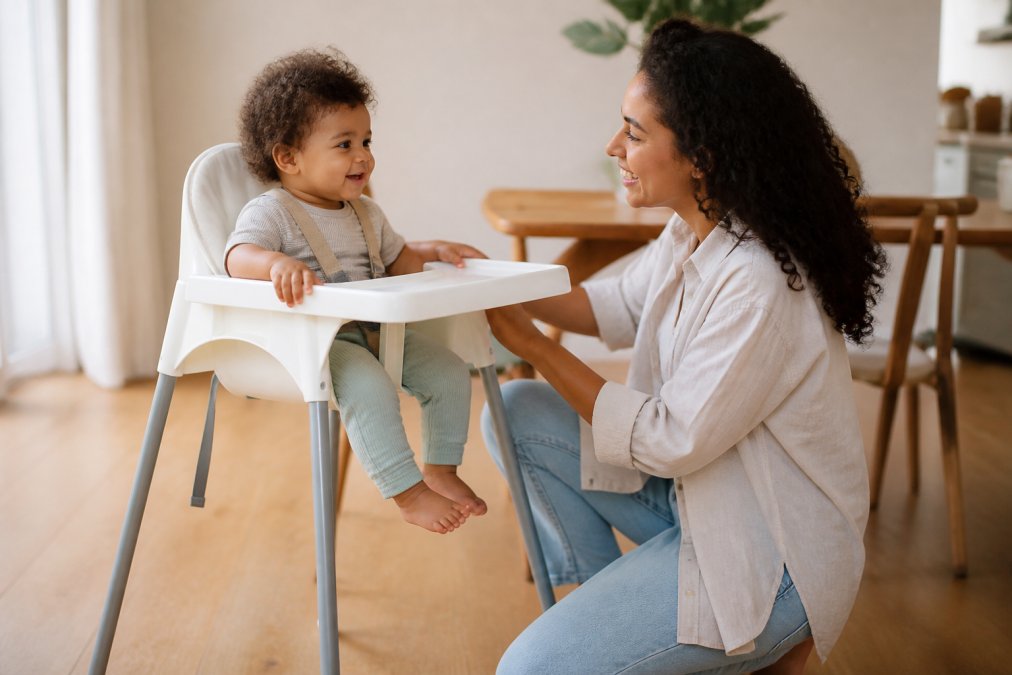
High chairs are deceptively important. A good high chair supports your child's posture and cleans easily. A trial period lets you evaluate whether the design works for your space and routine.
Play equipment and development gear are items where your child's response matters. A trial period lets you see how your child actually responds.
Structural integrity and material safety
Structural integrity means the product maintains its strength through repeated use. When trialling durable baby gear, assess this by testing it: push on joints, check for wobbles, fold and unfold mechanisms repeatedly.
Material safety extends beyond regulatory compliance. Quality manufacturers use materials rated for long-term contact with infants. During a trial period, pay attention to smell, texture, and whether materials feel premium. Quality materials often feel different, smoother, more substantial, and this often correlates with actual durability and safety.
Verifying Product Safety Certifications Before You Buy
Before committing to trialling durable baby gear, verify that products carry appropriate safety certifications. Start with the product's documentation. Legitimate manufacturers include safety certification information in product descriptions or manuals.
Cross-reference certifications against regulatory bodies. The Office for Product Safety and Standards (OPSS) maintains information about UK safety requirements. OPSS product safety standards provides guidance on relevant certifications for different product categories.
For specific product categories, certain certifications are standard. Car seats should carry ECE R44/04 or i-Size certification. Cots should meet BS EN 716 standards (bsigroup.com). Pushchairs should comply with BS EN 1888 standards. If a product doesn't carry these standard certifications, that's a red flag.
When shopping with a curated retailer like The Nook and Nurture Company, much of this verification work is already done. Curated selection means products have been evaluated for safety compliance before being offered.
Making the Most of Your Risk-Free Trial Period
A risk-free trial is only valuable if you actually use it to test. Use it actively. Test the pushchair on your regular routes. Use the car seat through multiple journeys. Sleep on the cot mattress. Use the high chair through multiple meals. Live with the product long enough to understand whether it genuinely works for your family.
Document your impressions as you go. After a week, write down what's working and what isn't. By day 25, you should have a clear sense of whether this product deserves a permanent place in your home.
User-friendly returns and refund conditions
The best trial models make returns genuinely frictionless through clear return windows, straightforward processes, and refunds that actually process quickly.
Before starting a trial, understand the specific conditions. Most retailers require items to be in resalable condition, clean, and undamaged. Read the refund conditions carefully. Some retailers refund immediately to your original payment method. Others hold refunds pending inspection or charge restocking fees.
Plan your returns early if you're going to return items. Contact the retailer around day 20 if you know you want to return something. Remember that returning items is not a failure. A risk-free trial exists precisely so you can return things that don't work.
Choosing durable baby gear is one of the bigger decisions new parents face. A risk-free trial transforms this decision from a high-stakes gamble into a genuine test drive.
The Nook and Nurture Company's curated approach to baby gear, combining durable products with a 30-day risk-free trial and next-day shipping, addresses the real friction points parents face. You get products vetted for safety and quality, delivered quickly, with the confidence that if something doesn't work for your family, returning it is straightforward. That's the combination that makes smart parenting spending possible.
| Product Category | Trial Duration | Best For | Key Consideration |
|---|---|---|---|
| Pushchairs | 30 days | Daily use, multiple scenarios | Terrain compatibility, fold ease |
| Car seats | 30 days | Vehicle fit, installation | ISOFIX or belt compatibility |
| Cots | 30 days | Sleep comfort, nursery fit | Mattress height, assembly |
| High chairs | 30 days | Meal-time routine, space | Kitchen fit, cleaning ease |
| Play equipment | 30 days | Child response, development | Age appropriateness, safety |
Frequently Asked Questions
Q: What does a risk-free trial mean for baby products?
A: A risk-free trial allows you to test durable baby gear in your own home before committing to the purchase. Most trials run 30 days and include a full refund if the product doesn't meet your needs. This approach removes the guesswork from buying items like prams, high chairs, or cots, letting you verify durability, fit, and suitability for your family before money is spent.
Q: How can I ensure baby gear meets UK baby product safety standards?
A: Check for CE marking and third-party safety certification from bodies that test against British Standards and EN standards. Look for product recalls through the Office of Product Safety and Standards (OPSS). Verify non-toxic material claims with certifications like Oeko-Tex or similar. Read safety notices on packaging and ask retailers about compliance testing. Trial periods give you time to inspect the product's structural integrity and material quality firsthand before your trial ends.
Q: Are subscription models for baby gear worth it?
A: Subscription models work best if your family uses multiple items across different ages and stages. They reduce upfront costs and offer flexibility as your baby grows. However, one-time purchases of durable goods often provide better long-term value if you plan to use the same item for years or pass it to future children. Compare total costs over your expected usage period and consider whether you prefer ownership or the convenience of swapping items regularly.
Q: What are the benefits of buying durable baby gear over cheap alternatives?
A: Durable gear lasts through multiple children, maintains structural integrity after heavy use, and typically uses higher-quality, non-toxic materials. Cheap alternatives often fail quickly, require replacement, and may pose safety risks like suffocation hazards or material degradation. Over time, investing in durability saves money, reduces waste, and gives parents peace of mind that their baby is using products that meet rigorous safety standards and perform reliably.
Q: How do I return baby gear if it doesn't suit my needs?
A: Most retailers with risk-free trials offer user-friendly returns through prepaid shipping labels or collection services. For bulky items like prams, many provide logistics support to handle pickup. Check the return policy before purchasing to understand whether you pay return shipping or if it's covered. Trial periods typically give you 30 days to initiate a return, so test the product thoroughly during that window and contact customer service with any questions about the return process.
This article was written using GrandRanker


