

Table of Contents
- Why Parents Compare Mass-Market and Boutique Nursery Furniture
- Key Differences Between Large Retailers and Independent Boutiques
- Quality, Durability, and Investment Pieces
- Baby Gear Safety Standards in the UK
- How to Save Money on Baby Gear Without Compromising Quality
- Shipping, Returns, and the Real Cost of Convenience
- Sustainable Materials and Ethical Sourcing
- Which Option Fits Your Family
Last Updated: August 25, 2026
Why Parents Compare Mass-Market and Boutique Nursery Furniture
When you're furnishing a nursery for the first time, the choice feels overwhelming. You've got mass-market retailers with hundreds of options and next-day delivery. You've got independent boutiques with curated selections and personalized service. Both promise quality. Both promise value. The question isn't whether either exists, it's which one actually delivers what your family needs.
This guide from The Nook and Nurture Company breaks down the real differences between mass-market nursery furniture and niche boutiques, so you can make a choice based on facts, not marketing. We've analysed what separates these two approaches, where each genuinely excels, and where parents often waste money chasing the wrong option.
The truth is simpler than it appears: mass-market retailers optimize for scale and convenience. Boutiques optimize for curation and longevity. One isn't universally better, but one is probably better for your specific situation. Below, we'll show you exactly how to evaluate both, what trade-offs matter, and how to avoid the mistakes that leave parents frustrated with their purchases.
Key Differences Between Large Retailers and Independent Boutiques
The gap between these two retail models goes deeper than product selection. They operate on fundamentally different philosophies, which affects everything from pricing to customer support to what happens when something goes wrong.
Product Range and Curation
Mass-market retailers stock broadly. A large chain might carry 200+ nursery furniture items across multiple price points, styles, and brands. The logic is clear: more options mean more customers find something that fits their budget and aesthetic. The downside is equally clear: choice paralysis. Parents spend hours comparing items that are functionally identical but priced differently.
Niche boutiques operate the opposite way. They stock 30-50 carefully selected pieces, often from fewer manufacturers. The curation is intentional. A boutique owner visits suppliers, tests products, and decides which items deserve shelf space. You're not choosing from 200 options, you're choosing from 30 that someone with expertise already vetted.
This matters more than it sounds. When a boutique carries a crib, they've likely tested it, know the assembly process, understand the warranty, and can answer specific questions about durability. A mass-market sales associate may not have touched the product.
Price Points and Value Proposition
Mass-market retailers compete on price. They buy in volume, negotiate aggressively with suppliers, and pass savings to customers. A basic nursery set at a large chain might cost £400-600. The same functionality at a boutique could run £700-1,000.
But here's where the math gets interesting: mass-market pricing often reflects lower durability expectations. Those cheaper pieces are designed for single use, your child outgrows them, you donate or discard them. Boutique pieces, by contrast, are often built to last through multiple children or to retain resale value.
The Nook and Nurture Company curates products that balance both, quality construction without premium pricing. Our storage units, for example, range from £49.99 for the Explorers Storage Units with 6 Boxes to £149.95 for the Padstow 6-Basket Storage Unit. Each is selected because it delivers genuine durability and functionality, not because it's the cheapest option available.


Customer Service and Support
Mass-market customer service is transactional. You buy online or in-store, and if there's an issue, you navigate a returns process designed for volume. Response times can stretch days or weeks. The return policy is standardized, 30 days, condition dependent, sometimes with restocking fees.
Boutiques offer personalized support. You can call the owner, ask specific questions about products, get recommendations based on your actual needs, and often negotiate on returns if something genuinely doesn't work. A boutique owner has a reputation to protect, poor service loses them customers in a way that a large chain can absorb.
This difference matters most when you're a first-time parent with genuine questions. "Will this crib fit in my small bedroom?" "Is this material safe for a baby with sensitive skin?" "Can I return this if my child hates it?" A boutique owner answers these directly. A mass-market retailer directs you to product specifications and standard policies.
Quality, Durability, and Investment Pieces
The durability gap between mass-market and boutique furniture is real, but it's not universal. Both segments include quality items and cheap items. The difference is in what's typical.
Mass-market retailers stock a mix. Some items are genuinely well-made. Others are designed for a single child, a few years of use, then disposal. The price reflects that. A £200 wardrobe from a large chain might last 3-4 years before drawers stick, hinges loosen, or the finish wears. That's acceptable if you're not expecting longevity.
Boutique furniture is typically built for longevity. Solid wood instead of veneered particle board. Mortise-and-tenon joinery instead of dowels. Finishes that resist scratches and stains. These pieces cost more upfront, but they last through multiple children, hold resale value, and often become family heirlooms rather than landfill.
The investment piece logic works like this: a £1,000 cot from a boutique holds 60-70% of its value when you sell it used. A £400 cot from a mass-market retailer holds 20-30% (peer-reviewed research). Over the course of two or three children, the boutique piece becomes cheaper overall.
However, this only matters if you're keeping furniture long-term or planning to resell. If you prefer fresh items for each child and don't mind disposal, mass-market pricing makes financial sense.
Baby Gear Safety Standards in the UK
Safety standards are non-negotiable. Both mass-market and boutique retailers must comply with UK regulations, but compliance levels vary.
All nursery furniture sold in the UK must meet British Safety Standards, including BS EN 1130 (for high chairs), BS EN 1888 (for prams and pushchairs), and BS EN 71 (for toy safety) (gov.uk). These standards cover stability, toxic materials, sharp edges, and structural integrity. Both mass-market and boutique retailers source from suppliers who meet these requirements.
The difference isn't in baseline compliance, it's in verification. Large retailers rely on supplier certifications and spot checks. Boutiques often conduct their own testing or work exclusively with manufacturers they've personally vetted. Some boutique owners request third-party testing results or material safety data sheets before stocking items.
This is particularly relevant for parents concerned about chemical exposure. Mass-market retailers stock items that meet legal requirements but may contain flame retardants, formaldehyde, or other chemicals within legal limits. Boutiques often prioritize suppliers who go beyond legal minimums, using organic finishes, non-toxic paints, or sustainably sourced materials.
When evaluating any retailer, ask for safety documentation. Legitimate retailers, whether mass-market or boutique, can provide proof of compliance. If they can't, that's a red flag regardless of their size.
How to Save Money on Baby Gear Without Compromising Quality
The false choice most parents face is: cheap or quality. In reality, smart shopping across both retail models can deliver quality at reasonable cost.
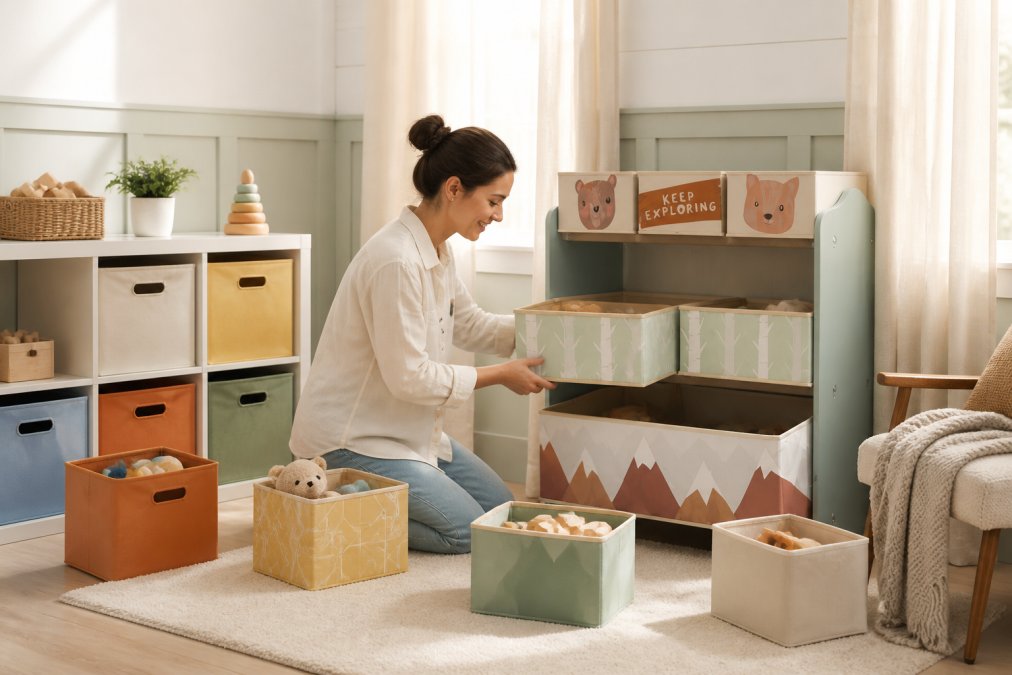
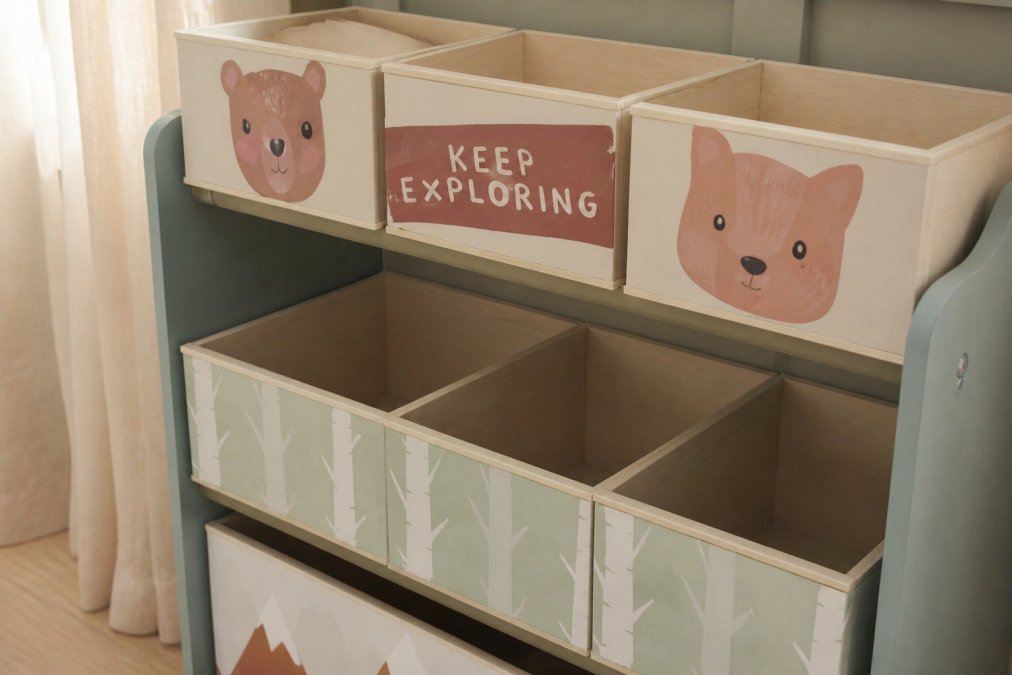
Buy strategically from mass-market retailers. Not everything needs to be heirloom quality. Changing tables, storage solutions, and organisational items are used heavily but don't require premium materials. The Isla 4-Coloured Box Storage Unit at £110.95 or the Explorers Storage Units at £49.99 deliver solid functionality without the premium price of boutique storage. These items do their job well and don't need to last 20 years.
Invest in boutique pieces for the items you'll keep longest. Cots, wardrobes, and dressers are used for years and often passed to siblings. A well-made piece from a boutique holds its value and performs better over time. If you have a second child coming, this math shifts dramatically in favour of quality.
Buy secondhand from boutique retailers. Used items from quality boutique makers often cost less than new mass-market equivalents. A used £800 solid-wood wardrobe might sell for £400-500 and still outlast a new £300 particle-board version. Online marketplaces, local Facebook groups, and consignment shops specializing in nursery furniture are good starting points.
Use The Nook and Nurture Company's 30-day risk-free trial. Before committing to any piece, test it in your space. Our 30-day trial means you can order storage units, assess how they fit your room, and return them if they don't work, with full refund. This removes the guesswork from online shopping and lets you make confident decisions about what actually works for your family.
Prioritize function over aesthetic. A £150 storage unit that holds twice as much as a £80 alternative is cheaper per unit of storage. A cot that converts to a toddler bed saves you money across multiple children. Focus on utility, not style, and you'll find the best value across both retail models.
Shipping, Returns, and the Real Cost of Convenience
This is where the hidden costs appear.
Mass-market retailers offer fast shipping, often next-day or 2-day delivery. But returns are where the costs mount. Many charge return shipping unless the item arrived damaged. A £300 piece that doesn't fit your space costs £30-50 to return. If you've ordered multiple items and need to return half of them, return costs can reach £100+.
Return policies also vary. Some mass-market retailers accept returns for 30 days with no questions. Others require items to be in original condition, unassembled, or with all packaging intact. If you've assembled a cot to test it, you might not qualify for a return. This creates a perverse incentive: buy cautiously, assemble minimally, and keep items even if they're not ideal.
Boutiques typically offer more flexible returns because they're managing smaller volumes. Many will accept returns up to 60 days and cover return shipping if the item doesn't meet expectations. Some will even negotiate on items that have been assembled or used briefly.
The Nook and Nurture Company guarantees next-day shipping and offers a full refund within 30 days if you're not satisfied, with no restocking fees or return shipping charges. This removes the financial penalty from testing products in your actual space, which is the only way to know if something truly works for your family.
When comparing retailers, calculate the true cost: product price plus potential return shipping. A £50 cheaper item from a mass-market retailer becomes £80 more expensive if you need to return it.
Sustainable Materials and Ethical Sourcing
Parents increasingly care about where products come from and how they're made. This is an area where boutiques often have a genuine advantage.
Mass-market retailers source from global suppliers optimized for cost. This doesn't automatically mean poor labour practices or unsustainable materials, many large retailers have rigorous ethical standards. But verification is difficult. You're trusting the retailer's claims, which are often vague ("responsibly sourced" without specifics).
Boutiques typically work with fewer suppliers and often have direct relationships with manufacturers. An owner can tell you exactly where wood comes from, what finishes are used, and how workers are treated. Some boutiques specialize in items made locally or from sustainable materials, reclaimed wood, organic fabrics, non-toxic finishes.
The Nook and Nurture Company curates products chosen with parents and babies in mind, which includes consideration of material safety and sustainability. When you're evaluating any retailer, ask specific questions: Where is this made? What materials are used? Are there third-party certifications? If they can't answer, that's telling.
Sustainable furniture typically costs more upfront but aligns with values many parents hold. It's not a mass-market advantage, it's a choice some parents make consciously.
Which Option Fits Your Family
The answer depends on your priorities, budget, and timeline.
Choose mass-market retailers if: You're budget-conscious and buying for a single child. You want wide selection and fast delivery. You prefer items that are easy to replace if they wear out. You're furnishing quickly and don't have time for boutique research. You need standardized products and straightforward returns.
Choose boutiques if: You're planning multiple children and want pieces that last. You value personalized service and expert recommendations. You want to know exactly where products come from. You're willing to pay more upfront for lower total-of-ownership cost. You want pieces that retain resale value.
Choose The Nook and Nurture Company if: You want curated quality without boutique pricing. You value expert selection combined with convenient online shopping. You want to test items risk-free in your actual space. You need reliable next-day shipping and hassle-free returns. You want storage solutions that combine durability, functionality, and design.
Our storage units, from the Explorers Storage Units at £49.99 to the Padstow 6-Basket Storage Unit at £149.95, are selected because they deliver real value. They're built to last through multiple children, they solve actual storage problems, and they fit into real homes without looking institutional.
The Isla 4-Coloured Box Storage Unit (£110.95) and the Kids Pink Heart Design Storage Box and Seat (£62.95) combine function with design that parents actually enjoy living with. And because of our 30-day risk-free trial, you can order with confidence, if it doesn't work in your space, you get a full refund.

The choice between mass-market and boutique nursery furniture isn't about which is objectively better. It's about matching your family's needs, budget, and values to the right retail model. Mass-market offers convenience and price. Boutiques offer longevity and expertise. The Nook and Nurture Company bridges both: curated quality with convenient shopping, expert selection with transparent pricing, and the confidence that comes from a 30-day risk-free trial. Start with our storage solutions and experience the difference thoughtful curation makes in your family's home.
Frequently Asked Questions
Q: What makes boutique nursery furniture different from mass-market options?
A: Independent boutiques typically offer curated selections with emphasis on artisan craftsmanship, sustainable materials, and unique designs. Mass-market retailers prioritise volume and standardised products. Boutiques often provide personalised service, whilst large chains focus on quick inventory turnover and competitive pricing. Quality varies within both categories, but boutiques often highlight non-toxic finishes and ethical sourcing practices more prominently.
Q: How do I verify baby gear safety standards in the UK?
A: All nursery furniture sold in the UK must comply with British Standards and CE marking requirements. Look for EN71 certification for toys and furniture, BS 1877 for cots, and BS 3957 for high chairs. Check product labels for safety certifications and ask retailers for test documentation. Independent boutiques often provide detailed safety information, whilst mass-market retailers display compliance on product pages. Never purchase items without visible safety certification marks.
Q: How can I save money on baby gear without sacrificing quality?
A: Prioritise essential items (safe cot, storage, basics) over decorative pieces. Choose modular furniture that grows with your child, reducing replacement costs. Compare price-to-quality ratios rather than lowest price alone. Independent boutiques sometimes offer package deals or seasonal discounts. Buy timeless designs in neutral colours to extend usability across multiple children. Storage solutions from curated retailers like those at The Nook and Nurture Company range from £49.99 to £149.95, offering functional organisation without premium pricing.
Q: What are the real differences in return policies between big retailers and boutiques?
A: Large retailers typically offer standardised 30-day returns with minimal questions, but may charge return shipping. Many boutiques offer similar policies but often provide more personalised support if issues arise. The Nook and Nurture Company provides a 30-day risk-free trial with next-day shipping and full refunds if unsatisfied. Always clarify return shipping costs upfront, as this can significantly impact the true cost of your purchase, especially for larger furniture items.
This article was written using GrandRanker


